How Much Does Drain Cleaning Cost? Homeowner’s Guide
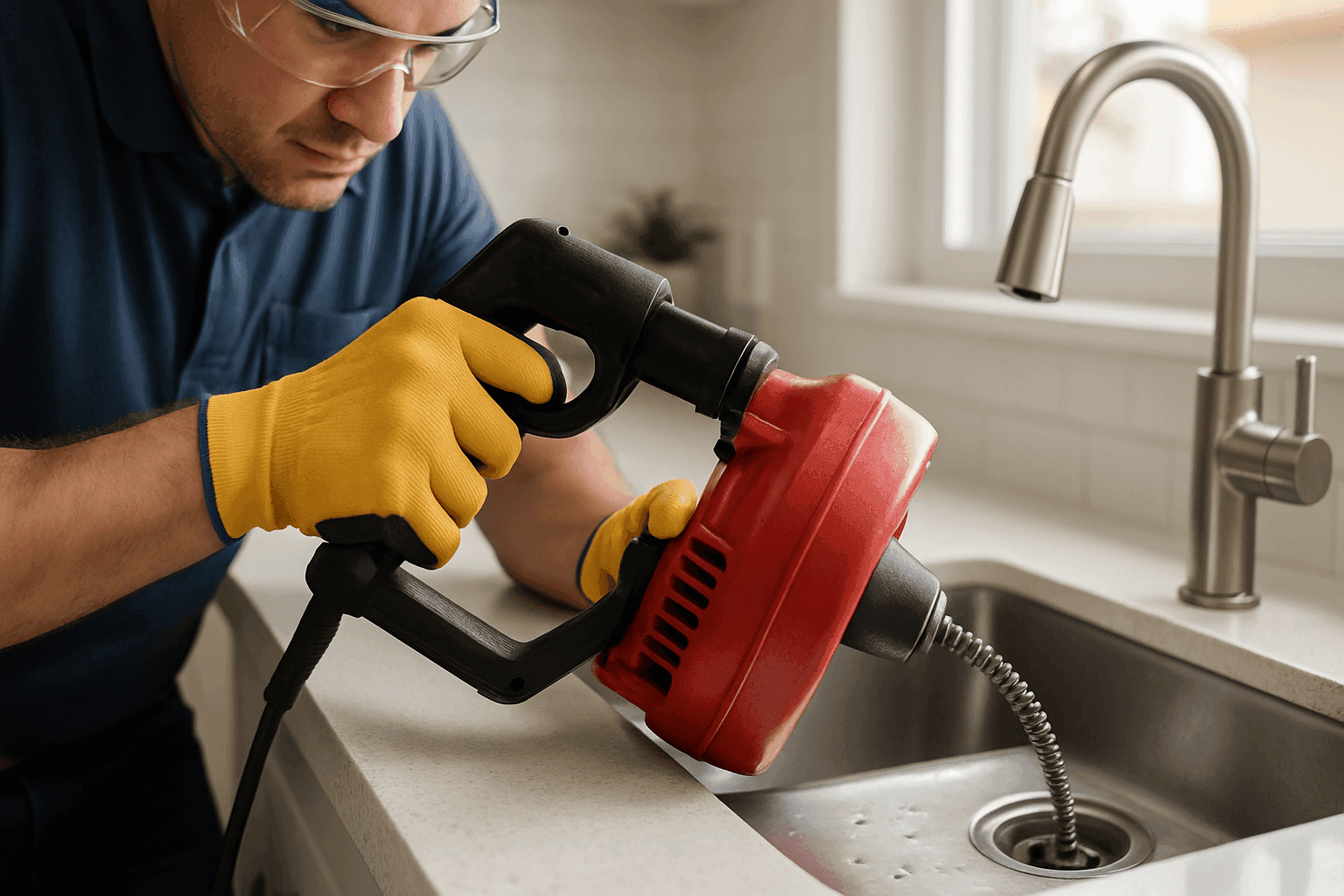
Are your sinks gurgling or your shower turning into a wading pool? You’re not alone. Clogged drains happen to everyone—often at the worst possible time. Whether it’s a slow kitchen sink, a stubborn bathtub, or a main line backup threatening your basement, drain cleaning is a job most homeowners face sooner or later.
At Spicewood Plumbing, we know you want clear answers before you pick up the phone. What will this really cost? What’s included? And how do you avoid plumbing headaches down the road?
Let’s break it all down—without the guesswork.
Why Do Drains Get Clogged? 🚿
Picture your home’s plumbing like a set of veins moving water and waste away. Over time, things build up: grease, hair, soap scum, food scraps, even tree roots. Sometimes it happens slowly, sometimes overnight. That’s when water stops flowing and frustration starts rising.
Common reasons for clogs:
- Food grease or coffee grounds in kitchen sinks
- Hair, soap, and toothpaste in bathroom drains
- Tree roots or collapsed pipes in main sewer lines
- Foreign objects (kids’ toys, wipes) flushed by mistake
Ignoring these blockages isn’t just annoying. It can lead to burst pipes, leaks, or even water damage—costing you much more in the long run.
Quick Safety Checklist Before You Tackle a Drain
- Turn off water supply to the affected area if possible.
- Wear gloves—drain water can carry bacteria.
- Don’t mix drain chemicals—they can react and cause dangerous fumes.
- Check for standing water—avoid electrical outlets and cords nearby.
- Know your limits—if water is backing up in multiple fixtures, it’s time to call for emergency plumbing help.
Following these simple steps keeps you safe and helps prevent a small problem from becoming a big one.
DIY Drain Cleaning vs. Calling a Pro
It’s tempting to grab a plunger or pour some store-bought cleaner down the sink. For minor clogs, that sometimes works. But here’s the rub: some DIY methods can make things worse or mask deeper issues.
DIY Methods
- Plunger: Good for shallow clogs in sinks or toilets.
- Hand auger (drain snake): Can reach blockages a few feet down.
- Eco-friendly enzyme cleaners: Help keep pipes clear, but slow on tough clogs.
Risks:
- Chemicals can damage pipes or harm the environment.
- Snakes can scratch or puncture pipes if misused.
- Hidden problems (like tree roots) won’t be fixed.
When to Call a Pro
- Water backs up in more than one drain
- Repeated clogs in the same spot
- Gurgling sounds or foul odors from pipes
- You suspect sewer line trouble
A licensed plumber brings specialized tools and experience—plus they’ll spot bigger issues before they become disasters.
What Pros Do On Arrival
When you call Spicewood Plumbing for drain cleaning near you, here’s what to expect:
- Inspection: We start with a visual check and, if needed, a video camera to see deep inside your pipes.
- Diagnosis: We pinpoint the clog’s location and severity—surface build-up or a major blockage.
- Snaking: A professional-grade auger (snake) breaks up most clogs quickly.
- Hydro-jetting: For tough, built-up gunk or roots, we use high-pressure water jets to scour the pipes clean.
- Cleanup: We leave your space tidy—no puddles, no mess.
Throughout, you’ll get clear communication, upfront pricing, and no hidden fees. If we spot a bigger problem—like a cracked pipe or root intrusion—we’ll talk you through next steps.
Prevention & Maintenance
Think of drain cleaning like brushing your teeth. Do it regularly and you avoid bigger problems. Here’s how to keep things flowing:
- Don’t pour grease or coffee grounds down the drain.
- Use hair catchers in showers and sinks.
- Flush only toilet paper—no wipes, cotton swabs, or feminine products.
- Schedule annual inspections for older homes or properties with large trees.
- Consider water filtration to reduce pipe buildup.
The U.S. Environmental Protection Agency (EPA) and local codes recommend routine maintenance to keep plumbing systems healthy and efficient.
How Much Does Drain Cleaning Cost? (And Why)
Drain cleaning costs range widely. Here’s what usually affects the price:
Typical Price Ranges
- Simple kitchen or bathroom sink clog: $100–$250
- Tub or shower drain: $150–$300
- Toilet unclogging: $100–$275
- Main sewer line cleaning: $350–$750 (sometimes more for tough jobs or root removal)
- Hydro-jetting: $350–$800+ (depends on pipe length and severity)
What Affects Cost?
- Severity: A minor clog costs less than a major blockage or collapsed pipe.
- Access: Hard-to-reach pipes or hidden cleanouts may add labor.
- Emergency vs. Scheduled: After-hours or weekend calls cost more, so if it can wait, scheduling may save money.
- Type of service: Snaking is cheaper; hydro-jetting or camera inspections cost more but solve deeper problems.
- Location: Main line or basement clogs usually cost more than a single sink.
What’s included:
- Inspection and diagnosis
- Physical removal of the blockage
- Basic cleanup
- Recommendations for next steps
No two homes are the same. We always provide a clear estimate before starting work.
When It’s an Emergency
Some clogs can wait. Others can’t. If you notice:
- Sewage backing up into tubs, showers, or basement
- Multiple fixtures blocked at once
- Sudden water leaks or wet spots on floors and walls
- Unusual odors coming from drains
Don’t wait. Emergency plumbing service is available 24/7. Quick action can prevent health hazards and major damage.
FAQ: Drain Cleaning Costs & Decisions
Q: Can’t I just use store-bought drain cleaner?
A: These products may work for hair or soap, but can damage pipes over time and won’t fix serious clogs.
Q: How do I know if it’s a main line issue?
A: If water backs up in multiple places at once—like your tub and toilet—it’s likely a main line problem.
Q: Will my homeowner’s insurance cover drain cleaning?
A: Usually no, unless there’s sudden damage from a covered risk. Maintenance and wear-and-tear are homeowner responsibilities.
Q: Why are some plumbers so much cheaper?
A: “Too good to be true” prices often mean hidden fees, rushed work, or unlicensed technicians. Always ask for licensing and upfront pricing.
Local & Seasonal Considerations
Plumbing problems change with the seasons. After heavy rain, tree roots may invade older pipes. In winter, pipes may freeze, causing cracks and blockages. If you live in an older home or near large trees, schedule regular inspections—especially before storm season.
Local plumbing codes (referenced by the International Association of Plumbing and Mechanical Officials, IAPMO) may require backflow prevention or specific pipe materials. A licensed plumber will keep your home up to code and safe.
Red Flags: Drain Cleaning Scams & Pitfalls
- Vague estimates: Watch for “starting at” prices with lots of fine print.
- Pressure for extra repairs: Unnecessary upsells signal a lack of integrity.
- Unmarked vehicles or no license number: Always verify credentials.
- Cash-only demands: Reputable plumbers accept multiple payment options and provide written quotes.
Choose licensed professionals who give honest answers and clear, itemized pricing.
Drain Cleaning Cost Checklist (Estimate Your Job)
- Where is the clog? (Kitchen, bathroom, main line)
- How many fixtures are affected?
- How long has the problem been going on?
- Have you tried any DIY methods?
- Is this an emergency or can it wait until normal business hours?
- Any past plumbing issues in your home?
- Is your home older or near mature trees?
Gather this info before you call—it helps your plumber give an accurate estimate and speeds up repairs.
If your drains are clogged, don’t wait for a bigger mess. Call Spicewood Plumbing now — or reach us anytime at 877-834-5933 .