How to Prevent Frozen Pipes and Winter Plumbing Disasters
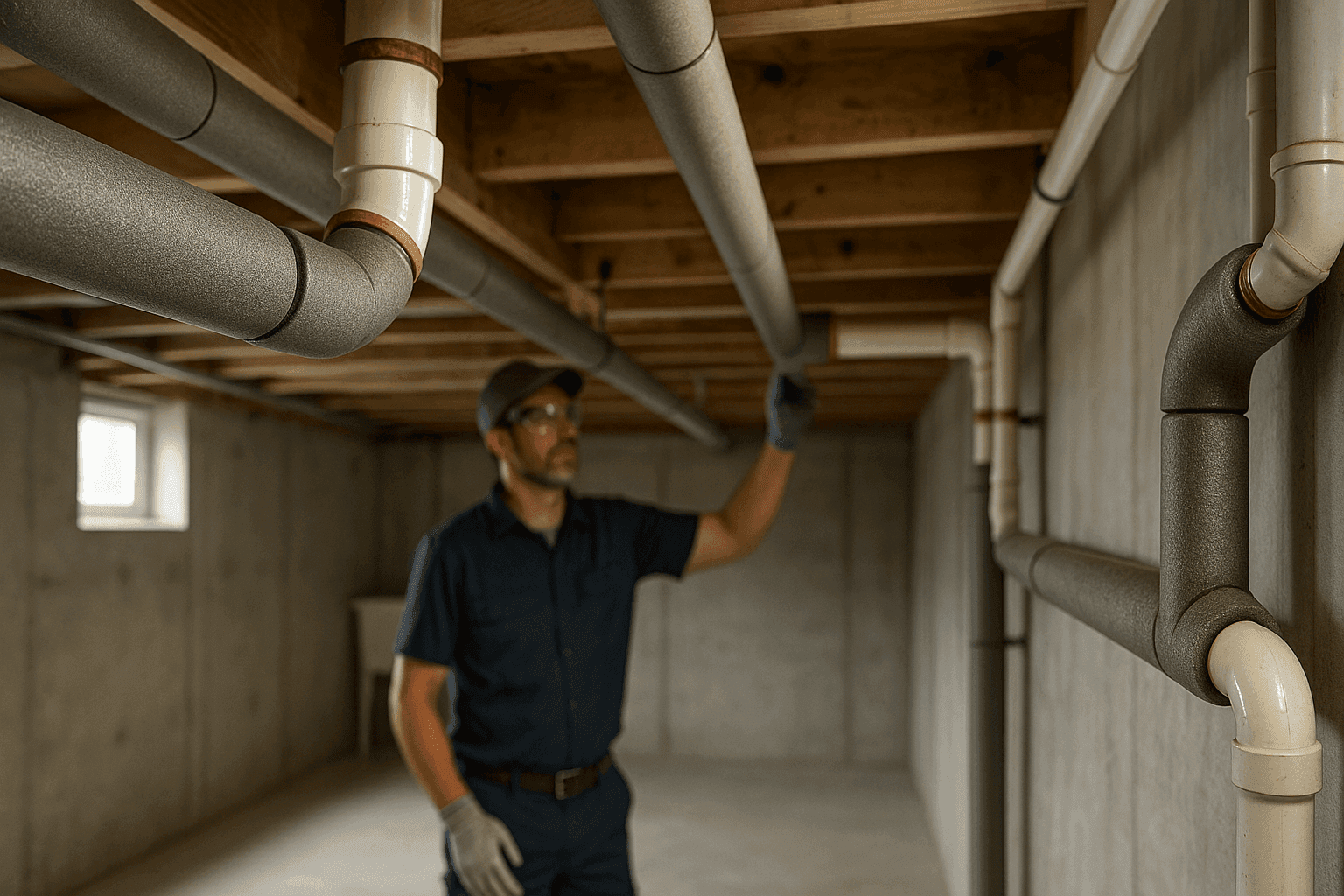
Winter can turn a warm home into a cold mess in hours. Pipes freeze, burst, and flood the basement before you’ve even finished your morning coffee. If you’ve ever watched water drip from a ceiling in January, you know the panic.
At Spicewood Plumbing, we’ve seen the aftermath and helped hundreds of families recover from winter plumbing disasters. Good news? Most frozen pipe emergencies can be prevented. Let’s walk you through how.
Why Do Pipes Freeze? The Hidden Ice Trap
Water is sly. When it freezes, it expands—like a can of soda left in the freezer. This pressure inside your pipes has nowhere to go, so it pushes out against the pipe walls until… snap. A burst, a leak, and a whole lot of stress.
Risk factors include:
- Location: Pipes running along exterior walls, unheated basements, and crawl spaces are most at risk.
- Insulation: Little to none? Trouble is brewing.
- Climate: Even homes in mild zones get cold snaps. Sudden drops can freeze pipes overnight.
Signs Your Pipes Are Freezing
Don’t wait for a geyser. Watch for:
- Water trickling instead of flowing
- Frost forming on exposed pipes
- Odd noises—like banging or whistling—when you turn on a tap
- Damp drywall or unexplained water on floors
If you notice these, action is urgent.
Quick Safety Checklist 🛑
Before the freeze hits, run through this:
- Shut off and drain outdoor hoses and faucets
- Wrap exposed pipes with foam sleeves or insulation
- Open cabinets under sinks to let warm air in
- Set your thermostat no lower than 55°F—even if you’re away
- Check that your water heater is working properly
- Know the location of your main water shut-off valve
Should You DIY or Call for Emergency Plumbing?
Some tasks are weekend-project friendly. Others? Not so much.
Safe to Tackle Yourself:
- Installing pipe insulation sleeves
- Sealing cracks with caulk or spray foam
- Draining garden hoses and exterior spigots
- Leaving a slow drip in faucets during extreme cold
When to Call Spicewood Plumbing:
- Pipes are already frozen or you can’t get water from a tap
- You spot active leaks or new water stains
- You don’t know where your shut-off valve is
- The problem involves gas lines or sewer repairs
Don’t risk it. Unclogging toilets is one thing. A burst pipe is a race against time.
What the Pros Do On Arrival
When you call for emergency plumbing, here’s what you can expect:
- Assessment: We check for visible leaks, frozen zones, and hidden damage.
- Thawing Pipes: Safely using heat lamps, pipe thawing machines, or warm towels, never an open flame.
- Leak Detection: Using tools like infrared and acoustic sensors (per American Society of Plumbing Engineers guidelines).
- Temporary Repairs: Clamps, wraps, or shut-offs to stop leaks fast.
- Permanent Fixes: Full pipe repair, repiping, or replacing damaged segments as needed.
We also review your setup for weak spots to prevent future emergencies.
Step-by-Step: Preventing Frozen Pipes & Winter Disasters
1. Insulate Exposed Pipes
Like a coat for your plumbing. Use foam sleeves, fiberglass wrap, or even old towels for a quick fix. Focus on:
- Pipes in attics, crawl spaces, garages, and basements
- Under-sink pipes along exterior walls
- Utility rooms and laundry areas
Visual Aid:

2. Drain Outdoor Hoses and Fixtures
Water left in hoses or exterior taps will freeze and back up into your house.
- Disconnect, drain, and store hoses
- Shut off water to exterior spigots (if possible) and let them drain
3. Maintain Heat in All Areas
Keep the heat on—even if it feels wasteful.
- Don’t lower your thermostat below 55°F (per American Red Cross recommendation)
- Open interior doors to allow warm air to circulate
- Insulate crawl spaces and attics to keep pipes warmer
4. Let Faucets Drip
A small trickle keeps water moving, which makes it harder to freeze.
- Focus on the coldest rooms or spots where pipes are near exterior walls
- Both hot and cold taps can be left dripping, especially overnight
5. Attention for Vacation Properties
Empty homes are sitting ducks for winter plumbing disasters.
- Shut off the main water supply before leaving
- Drain the system by opening taps and flushing toilets
- Consider installing smart leak detectors that send phone alerts
Prevention & Maintenance: The Ounce That Saves the Pound
Ongoing attention pays off:
- Schedule annual plumbing checkups before winter
- Replace old insulation and check for air leaks near pipes
- Service your water heater and sump pump (these can fail during a freeze)
- Run regular drain cleaning to avoid backups when pipes are under stress
Tip: The International Association of Certified Home Inspectors suggests inspecting insulation and pipe sealing at least once a year.
Costs & Time Factors
Getting ahead of a freeze is almost always the best value.
- DIY insulation: Materials cost less than a meal out, and most homes can be prepped in a weekend.
- Professional service: Pipe repair or emergency plumbing services can be fast, but total costs and repair times rise dramatically if a pipe bursts and causes water damage.
- Water heater and boiler repairs: Can take a few hours or a full day, depending on parts and accessibility.
- Restoration from a burst: Drying, repairs, and possible mold remediation can stretch into days or even weeks.
When It Becomes an Emergency 🆘
Don’t hesitate when you see:
- Sudden loss of water pressure
- Water gushing or pooling inside walls, ceilings, or floors
- Electrical panels or outlets getting wet
What to do:
- Shut off the main water valve immediately.
- Turn off electricity to affected areas if safe.
- Call Spicewood Plumbing for emergency plumbing help.
FAQ: Winter Plumbing Questions
How cold does it have to get for pipes to freeze?
Pipes can begin freezing at 20°F (-6°C), especially if exposed or poorly insulated.
What if I’m not home when a pipe bursts?
Shut off water before leaving for any length of time. Install leak sensors for extra peace of mind.
Can running water really prevent freezing?
Yes. Flowing water needs much lower temperatures to freeze. Even a slow drip can help.
Is pipe insulation enough?
It’s your first defense, but not a guarantee. Combine insulation with heat and regular checks.
Local and Seasonal Considerations
No two winters are the same.
- Sudden cold snaps after mild weather catch many off-guard.
- New building codes may require pipe insulation in certain areas—check with your local authority having jurisdiction (AHJ).
- Homes with basements, crawl spaces, or additions are more likely to have hidden pipes at risk.
Pro tip: After a deep freeze, always inspect for leaks or drips in seldom-used rooms.
When the temperature drops, don’t let frozen pipes catch you off guard. Fast action and simple prevention can save you thousands and a world of worry. If disaster strikes, you need help—fast.
Call Spicewood Plumbing now — or reach us anytime at 877-834-5933 .