Emergency Plumbing Guide: What to Do Before Help Arrives
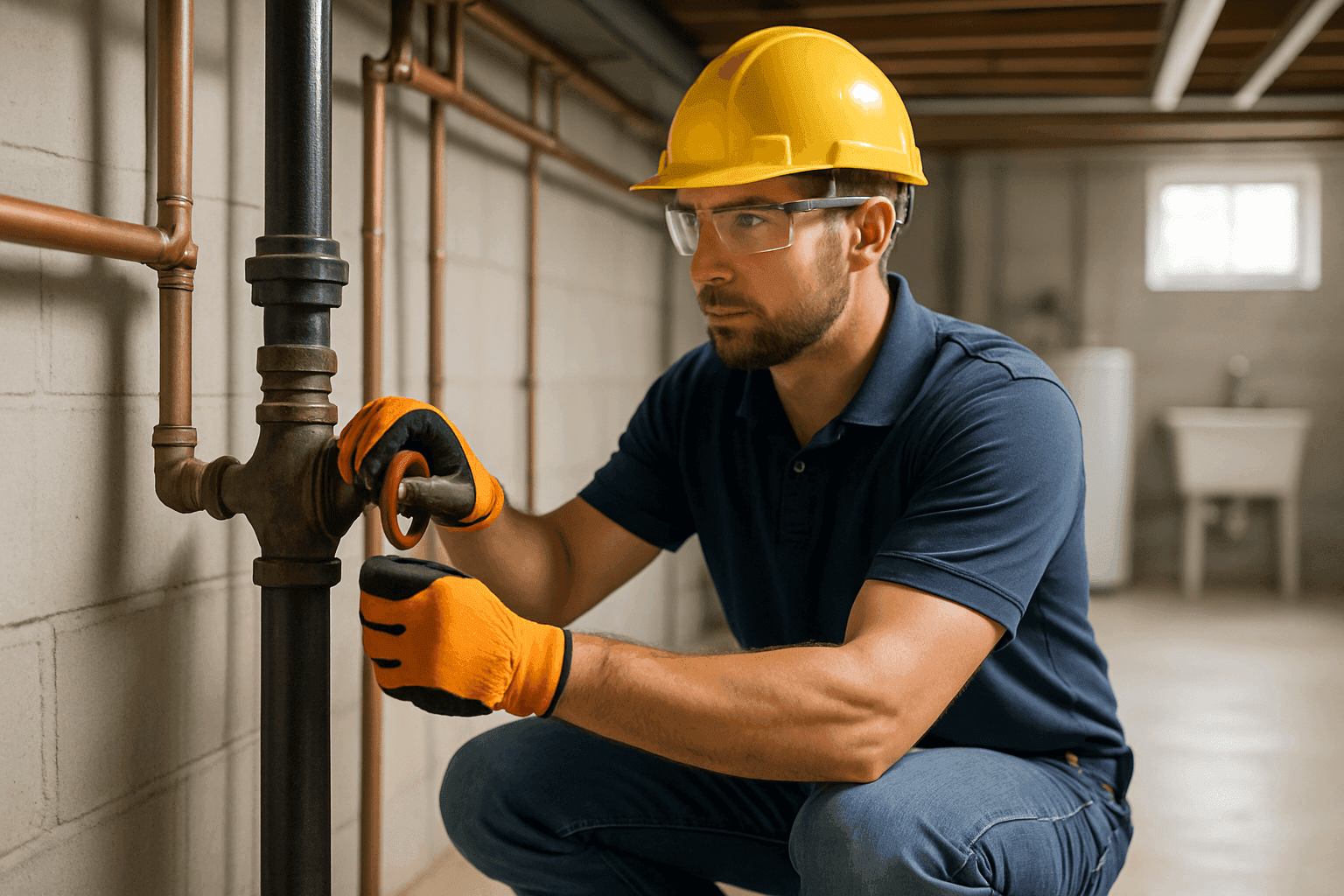
When water starts spraying or your toilet won’t stop flooding, panic is a natural first reaction. Plumbing disasters never wait for a good time. They upend your evening, your sleep, your plans.
We get it. That’s why Spicewood Plumbing is always on call—day or night—right when you need us most. As a fully licensed and insured team, we’ve helped thousands of homeowners manage emergencies safely and minimize damage. Here’s how you can gain an edge before help arrives.
Common Plumbing Emergencies at Home
Some plumbing problems are just annoying. Others? They can cause chaos in minutes. Here are the most frequent emergencies we see in homes like yours:
- Burst Pipes: Especially in winter, a pipe can freeze and split. Suddenly, water gushes everywhere—like a fire hydrant in your basement.
- Overflowing Toilets: A clog or faulty valve can quickly turn a bathroom into a wading pool. The mess spreads fast.
- Gas Leaks: That rotten egg smell isn’t just unpleasant—it’s a sign to act now. Gas leaks pose fire and health risks.
- Water Heater Leaks: Hot water tanks hold gallons under pressure. When they fail, they can flood rooms and damage walls or floors.
Other emergencies can include severe drain blockages, broken sewer lines, or malfunctioning sump pumps—especially after heavy rain or during a sudden thaw.
Quick Safety Checklist 🛑
Before you do anything else, make sure you and your family are safe. Use this checklist to keep your cool and protect your home:
- Shut Off the Main Water Valve: Know where it is—usually in the basement or near the water meter. Turn it clockwise to stop the flow.
- Turn Off Power (If Safe): For leaks near outlets or appliances, switch off the breaker for that area. Never touch wet wires.
- Stop the Spread: Use towels, buckets, or pans to catch or contain leaking water. Move valuables and electronics away from the area.
- Ventilate for Gas Leaks: If you smell gas, open windows and doors. Don’t use switches or phones inside. Get everyone outside fast.
- Don’t Use Appliances or Flames: Gas leaks mean no candles, matches, or electrical devices. Static can ignite fumes.
- Document Damage: Take quick photos for your insurance—if it’s safe.
- Call Emergency Plumbing Help: Dial right away. The faster you call, the more you can save on repairs.
What to Tell the Dispatcher
When you call Spicewood Plumbing, be ready with these details:
- Your address and callback number
- The type of emergency (burst pipe, toilet overflow, gas leak, etc.)
- Where the problem is (kitchen, basement, bathroom)
- How long it’s been happening
- What you’ve done so far (shut off water, moved items, etc.)
- Any special instructions (pets, gate codes, etc.)
What NOT to Do
- Don’t try to fix major leaks with duct tape—it won’t hold under pressure.
- Don’t pour chemicals down drains if water is backing up.
- Don’t light matches, use phones, or flip switches if you suspect a gas leak.
- Don’t ignore the problem hoping it will go away. Water and gas issues only get worse.
DIY vs. Call a Pro
You might be handy, but some emergencies are like icebergs—most of the danger is hidden under the surface. Here’s a guide:
Safe DIY:
- Using a plunger on a minor clog
- Tightening a visible, accessible valve
- Placing buckets to catch drips
Call a Pro Immediately:
- Water pouring from ceilings, walls, or under floors
- Sewage smells or visible sewage
- Persistent gas odors
- Hot water heater leaks
- No water at all in the house
Remember, even “simple” issues can mask bigger problems inside the walls or underground. The right tools and experience make all the difference.
What Pros Do On Arrival
When your Spicewood Plumbing technician arrives, here’s what you can expect:
- Assessment: We quickly locate the problem’s source—using moisture meters, infrared cameras, and years of experience.
- Emergency Shutoff (if not already done): We secure all water and gas lines as needed.
- Containment: Specialized vacuums, pumps, and barriers keep water from spreading.
- Repair or Temporary Fix: We stop the immediate danger, whether it’s capping a pipe, unclogging a line, or patching a tank.
- Safety Checks: Gas meters, pressure readings, and backflow devices are tested to prevent repeat emergencies.
Our team follows local building codes and safety protocols as outlined by organizations like the International Association of Plumbing and Mechanical Officials (IAPMO) and the National Fire Protection Association (NFPA).
Prevention & Maintenance Tips 🛠️
Most emergencies give you a warning—if you know what to look for.
- Listen for Gurgling: Drains making odd noises may be ready to clog.
- Check for Damp Spots: Regularly inspect under sinks, behind toilets, and around water heaters.
- Know Your Main Shutoff: Show everyone in your home where it is.
- Install Leak Detectors: These small devices alert you before a drip becomes a flood.
- Schedule Regular Inspections: Annual backflow testing, drain cleaning near you, and water heater checkups can catch problems early.
Costs & Time Factors
Plumbing emergencies rarely happen at convenient times—and costs can vary.
- After-Hours Service: Emergency plumbing calls often come at night, weekends, or holidays. This can affect response time and rates.
- Extent of Damage: A small leak caught early is cheaper than a burst pipe flooding two floors.
- Parts and Labor: Some fixes are quick (tightening a fitting), others require digging, repiping, or replacement.
- Insurance: Many home policies cover sudden water damage—check your coverage.
The most important factor? The sooner you call, the less risk of major repairs.
When It’s an Emergency 🚨
Not sure if you need to call right now? Here’s a rule of thumb:
It’s an emergency if:
- Water is running uncontrollably or you can’t stop it
- Any sign of gas leaks (smell, sound, hissing)
- Sewage is backing up into your home
- You have no running water at all
- Your water heater or boiler is leaking heavily
It can usually wait if:
- You have a slow drip under a sink (with water shut off)
- A single toilet is clogged but you have others
- Your faucet is dripping, but not flooding
When in doubt, call. We’re here 24/7, nationwide, and ready for every call—no matter the hour.
FAQ
Q: Should I try to fix a burst pipe myself?
A: Shut off the water and call a professional. Most DIY fixes are temporary and may make things worse.
Q: Is it safe to use chemical drain cleaners?
A: For major clogs, avoid chemicals. They can damage your pipes and make professional repairs harder.
Q: What if I can’t find my main water shutoff?
A: Look near your water meter, in the basement, or garage. If you can’t find it, ask your plumber to show you during your next visit.
Local & Seasonal Considerations
Plumbing issues don’t play by the rules, but local weather sure influences them:
- Winter: Pipes freeze and burst more often. Insulate exposed lines.
- Spring: Melting snow and rain can overwhelm sump pumps and sewer lines.
- Summer: Tree roots seek water, invading older pipes.
- Regional Codes: Every city has unique plumbing codes. Our team stays current on local requirements to keep your home safe and up to code.
We’ve seen it all, from holiday dinner mishaps to midnight winter floods. Our customers trust us because we show up fast, treat you with respect, and solve problems safely—the first time.
Call Spicewood Plumbing now — or reach us anytime at 877-834-5933 .