Drain Cleaning 101: Preventing and Clearing Clogs at Home
Life has enough surprises. A clogged drain shouldn’t be one of them. But whether it’s a slow kitchen sink or a bubbling toilet, clogs always seem to strike at the wrong time—right before guests arrive or during a busy weekday morning.
At Spicewood Plumbing, we understand the urgency of a blocked drain. We’ve seen it all, from tangled autumn leaves in outside drains to kitchen sinks jammed with holiday dinner debris. Let’s take a look at how you can keep water flowing smoothly, what to try at home, and when it’s time to reach out for emergency plumbing help.
Common Causes of Drain Clogs
You can’t fix what you don’t understand. The first step to a clear drain? Knowing what usually goes wrong.
Usual Suspects
- Grease and oils: Think of bacon grease as candle wax for your pipes. It hardens and sticks.
- Hair: Especially in bathroom drains. Like a spiderweb, strands catch everything passing by.
- Food scraps: Potato peels, coffee grounds, and eggshells don’t dissolve—they pile up.
- Soap scum: Mixes with minerals in hard water and turns into a sticky paste.
- Foreign objects: Kid’s toys, jewelry, or even cotton swabs can easily tumble in.
- Tree roots: Outside, roots are relentless in their search for water, sneaking into cracks and joints.
- Mineral build-up: Central Texas homes with hard water face extra calcium and lime deposits.
🛑 Don’t: Pour paint, chemicals, or construction debris down any drain. Not only do these cause clogs, but they also break local plumbing codes and risk your family’s health (see EPA’s household hazardous waste guidelines).
Safe DIY Drain Cleaning Methods
Before grabbing the plunger, take a breath. Many clogs can be eased with simple, safe steps.
Try These First
- Boiling water: For kitchen sinks (never on toilets or PVC pipes), pour slowly to melt away grease.
- Plunger: Create a tight seal. Short, firm pumps often dislodge minor blockages.
- Baking soda and vinegar: Pour 1/2 cup baking soda, then 1/2 cup vinegar. Wait 15 minutes. Rinse with hot water. (A gentle fizz, not a miracle cure.)
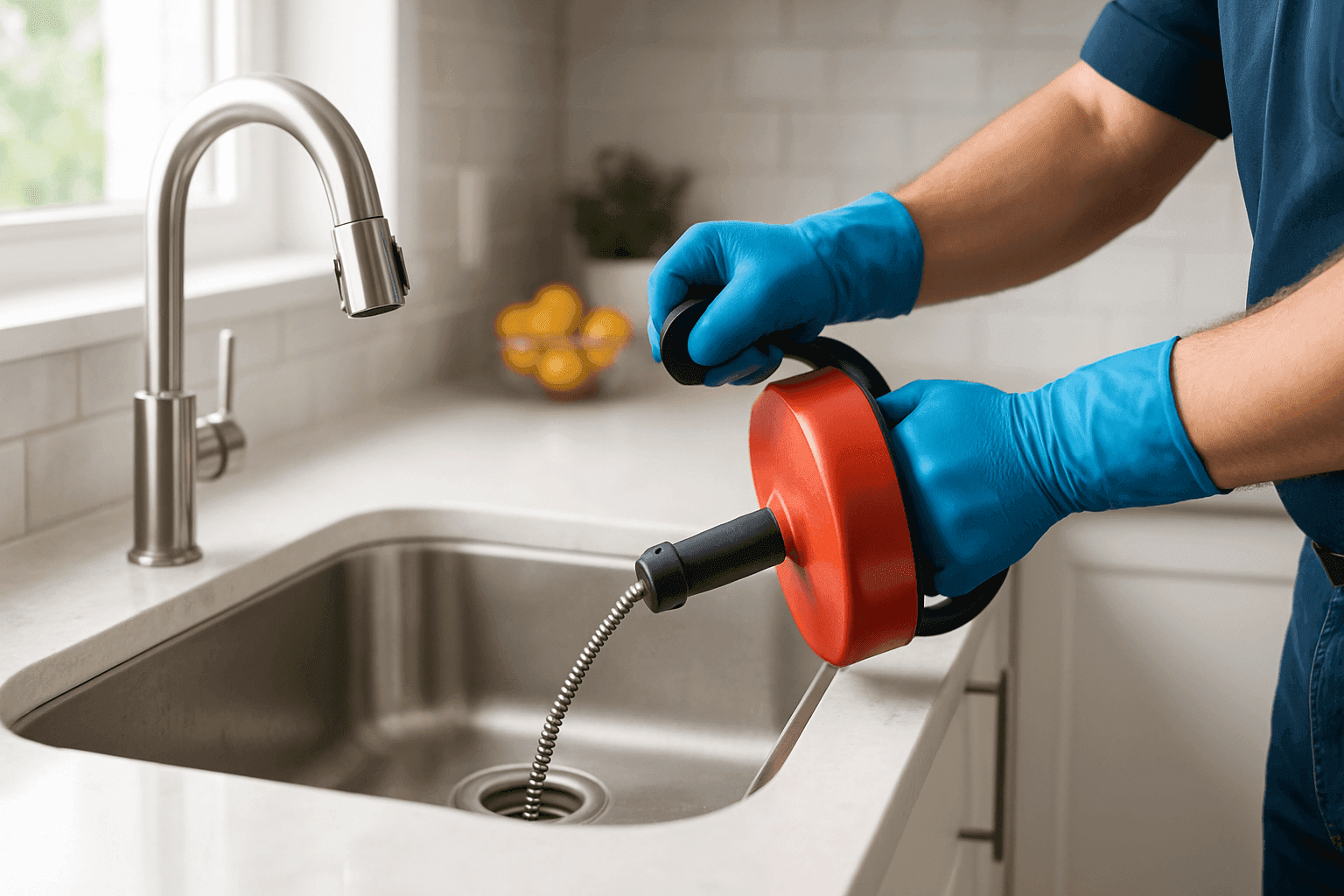
- Drain snake: A flexible tool to hook hair and gunk, especially in tubs and bathroom sinks.
🧽 Do: Wear gloves and eye protection for any DIY attempt. Plumbing mishaps can splash more than water.
If It’s Not Budging
- Standing water that won’t drain? Stop. Don’t keep adding chemicals or force. You could make it worse.
Products to Avoid
The plumbing aisle is full of quick fixes. Some do more harm than good.
🚫 Don’t:
- Use chemical drain cleaners as a first step. They can burn skin, damage pipes, and create toxic fumes. The EPA and most plumbing codes warn against regular use—especially with septic systems.
- Flush “flushable” wipes, paper towels, or sanitary products. They don’t break down and create stubborn blockages.
- Rely on drop-in toilet tank tablets. Many contain bleach or harsh chemicals that eat away at rubber and seals.
Stick to physical methods (plunger, snake) or natural solutions (baking soda/vinegar) before reaching for chemicals.
Preventative Maintenance Tips
An ounce of prevention is worth a pound of pipe repair. Here’s how to keep drains flowing year-round.
Weekly Habits
- Run hot water for 30 seconds after each use, especially in the kitchen.
- Wipe grease from pans with a paper towel before washing.
- Use hair catchers in showers and tubs.
Monthly Rituals
- Add baking soda followed by hot water to each drain.
- Check for slow drains—a gurgle or slow emptying means a clog is forming.
Seasonal Angles
🍂 Autumn: Clear gutters and outdoor drains of leaves. Falling foliage can block stormwater systems. 🍽️ Holiday Cooking: Scrape plates well before rinsing. Ask guests to toss food scraps, not flush them. ☀️ Summer: Watch for tree roots invading outdoor pipes during droughts. 💧 Hard Water Alert: If you notice white crusty residue on faucets, consider a home water softener. Hard water speeds up mineral build-up in pipes.
Annual Checks
- Schedule backflow testing and water pressure checks.
- Have your sewer lines inspected if you have mature trees or frequent slow drains.
When to Call a Pro
Some situations call for more than elbow grease. Here’s when to reach out to Spicewood Plumbing for emergency plumbing help:
- Water is backing up into tubs, sinks, or toilets.
- Multiple fixtures are clogged at the same time.
- You hear gurgling or see bubbling in drains after flushing or running water.
- DIY methods haven’t worked and water is still standing.
- Foul odors persist, or there’s visible mold or water damage nearby.
Remember, drain cleaning near you isn’t just about speed—it’s about safety and protecting your home from bigger issues down the line.
Plumber Safety & EPA Guidelines
At every step, safety comes first. The Environmental Protection Agency (EPA) recommends:
- Never mix chemical cleaners—dangerous gases can form.
- Always follow product labels and local plumbing codes.
- Use physical tools or natural solutions as your first line of defense.
Professional plumbers use protective gear, specialized tools, and follow local building codes to keep your family safe and your pipes healthy.
FAQ
What do I do if my drain is slow but not fully blocked?
Try hot water and a plunger. If you see improvement, keep up with preventative maintenance. If not, call us before it worsens.
Are chemical drain cleaners ever safe?
Very rarely. Use only as a last resort, and never if you have older pipes or a septic system. Always wear gloves and ventilate the area.
How can I tell if a clog is in the main sewer line?
If more than one fixture is clogged at the same time, or if water backs up elsewhere after you flush, it may be a main line issue—time for a professional.
Does hard water cause more clogs?
Yes. Hard water leaves mineral deposits inside pipes, which trap hair and soap, leading to faster build-up. Water softening systems can help.
Local and Seasonal Considerations
Central Texas brings unique challenges:
- Hard water: More mineral build-up, more frequent need for cleaning.
- Heavy rains: Flooded yards can push soil and debris into outdoor drains.
- Tree roots: Native oaks and pecans have powerful roots that find and invade the smallest pipe cracks.
- Holiday gatherings: More guests, more food, more stress on your kitchen and bathroom drains.
A little local know-how goes a long way. Regular checks and prompt intervention keep your home comfortable, no matter the season.
Got a stubborn clog or want peace of mind before the next big gathering?
Call Spicewood Plumbing now — or reach us anytime at 877-834-5933 .