10 Signs You Need Leak Detection in Your Home
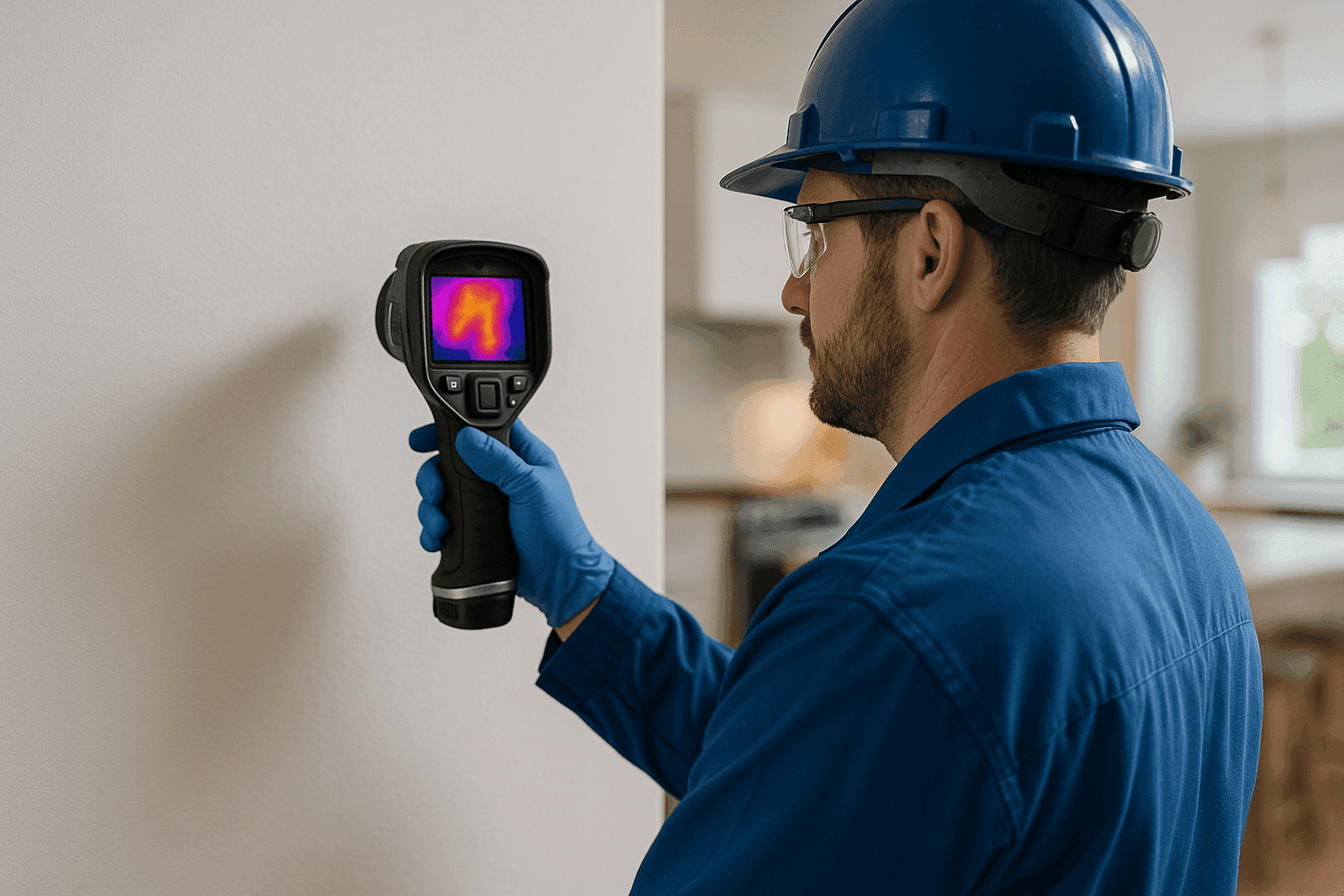
If your home could talk, would it whisper secrets from behind the walls? Sometimes, it does—just not in words. A hidden leak is like a slow-moving storm. You might not see it, but the damage builds until it can’t be ignored.
At Spicewood Plumbing, we know those early warning signs. Small clues that—if caught quickly—save you from major headaches, costly repairs, and the stress of emergency plumbing calls in the middle of the night.
10 Red Flags: Is There a Leak Hiding in Your Home? 🚩
Leaks rarely announce themselves with a dramatic gush of water. Instead, they tiptoe in with subtle signs. Here’s what to watch for:
1. Unexplained Spikes in Your Water Bill
Ever open your water bill and feel your eyebrows shoot up? If your usage habits haven’t changed, but your bill climbs higher every month, a leak could be quietly draining both water and money.
2. Musty, Damp, or Earthy Odors
That “old basement” smell? It’s not just age. Persistent musty or earthy scents often mean moisture is hiding somewhere it shouldn’t—feeding mold or mildew behind walls, under floors, or inside cabinets.
3. Damp Spots or Discoloration
Look for water stains on ceilings, bubbling paint, or walls that feel damp or soft. In bathrooms, check below sinks and around toilets. In kitchens, peek under the sink and behind appliances. Basements? Watch for dark patches or chalky residue on concrete.
4. Visible Mold Growth
Mold loves secret moisture. Spotting black, green, or white fuzzy patches—especially in corners, grout lines, or behind furniture—can mean a leak is fueling growth from the shadows.
5. Warped, Buckled, or Sagging Floors
Floors that feel spongy, warped, or suddenly uneven are waving a red flag. Wood and laminate floors, in particular, reveal moisture problems fast. Notice tiles popping up or grout cracking? Time to investigate.
6. Sounds of Running Water
Turn off all taps and appliances. Hear hissing, dripping, or trickling from inside the walls? That quiet chorus could be a leak on a hidden pipe.
7. Peeling or Blistering Paint and Wallpaper
Paint bubbling, wallpaper peeling, or drywall crumbling isn’t just cosmetic. It’s a cry for help from your home’s structure—often caused by slow but steady water intrusion.
8. Lower Water Pressure
Sudden drops in water pressure (especially in just one area) can indicate a leak inside the plumbing lines. If your shower or kitchen tap has lost its usual oomph, don’t ignore it.
9. Puddles or Wet Spots with No Explanation
Find a puddle under the kitchen sink, behind the toilet, or near your water heater? Don’t just mop it up. Check for recurring moisture—especially after a night of no water use.
10. Unusual Signs in Your Yard
Sometimes, the clues are outside. Look for unusually green patches, mushy spots, or unexplained pooling water in your yard. It could signal a broken underground pipe or sewer line.
Quick Safety Checklist: What to Do Right Away
- Turn off the water supply to the affected area or the whole house if needed.
- Shut off electricity to rooms where water is present to avoid shock risk.
- Move valuables and electronics away from potential leaks.
- Document damage with photos for insurance or repairs.
- Check for mold—if you see or smell it, avoid disturbing the area.
If in doubt, step out and let a pro handle it. Water and electricity never mix.
DIY Leak Test: Is There a Hidden Leak?
Think you might have a leak, but not sure? Try this:
- Turn off all water-using appliances (including faucets, dishwasher, and washing machine).
- Check your water meter. Record the number.
- Wait two hours without using any water.
- Recheck the meter. If the number has changed, water is escaping somewhere.
This simple test can catch leaks you can’t see. If you get a positive result, it’s time to act.
DIY vs. Calling the Pros: When to Pick Up the Phone
Some leaks are easy. A dripping faucet or a loose fitting under the sink? You might tackle it yourself with a wrench and a little grit.
But hidden leaks? Those are a different animal. Pipes inside walls, under floors, or beneath slabs require special tools and know-how. Spike in your water bill, persistent damp spots, or electrical risk? Don’t gamble with your safety or your home’s structure.
Spicewood Plumbing uses advanced leak detection technology—like thermal imaging and acoustic sensors—to track down leaks with minimal damage. Our technicians are trained to read the clues and solve the puzzle quickly.
What Happens When Pros Arrive?
Expect a thorough, methodical approach—not guesswork. Here’s how it usually goes:
- Visual inspection—checking likely trouble spots in bathrooms, kitchens, utility rooms, and basements.
- Non-invasive detection—using thermal cameras, moisture meters, and sometimes listening devices to pinpoint hidden leaks.
- Testing fixtures and appliances—to rule out simple causes.
- Explaining findings—with clear steps for repairs and prevention.
At Spicewood Plumbing, we’ve seen it all. Our customers often share stories of relief after a hidden leak is finally found and repaired.
Preventing Leaks: Simple Habits and Maintenance
A little prevention goes a long way. Here’s how to keep surprises at bay:
- Regularly inspect under sinks, around toilets, and behind appliances for dampness or mold.
- Check hoses on washing machines and dishwashers for cracks or corrosion.
- Replace old fixtures and supply lines every 5–10 years—especially rubber hoses.
- Insulate pipes in unheated spaces to prevent freezing and bursting in cold weather.
- Schedule annual plumbing check-ups—especially in older homes.
Refer to your local building codes and the International Association of Plumbing and Mechanical Officials (IAPMO) for guidelines on maintenance and safe installations.
The Real Cost of Ignoring a Leak
Delaying repairs is like ignoring a small crack in a dam. Over time, the consequences multiply:
- Structural damage—Water can rot wood, rust metal, and weaken foundations.
- Mold and health risks—Even a slow leak can create a thriving home for mold, which can trigger allergies or asthma.
- Sky-high bills—Even a tiny leak wastes gallons every day, hitting your wallet month after month.
- Major repairs—What starts as a small patch can become a massive remodel if left too long.
Address leaks fast—your home, health, and budget will thank you.
When It’s an Emergency (and What to Do) 🚨
Some leaks can’t wait:
- Burst pipes
- Flooded basements
- Water near electrical panels
- Sewage backups
If you’re facing any of these, shut off your main water supply if you can do so safely, then call emergency plumbing services immediately. Safety first—always.
FAQ: Leak Detection in the Home
How can I tell if my bathroom is leaking if I see no water?
Check for soft floors around toilets, musty smells, or persistent mildew on caulking and tile grout. These are often the first signs.
Should I worry about small leaks under sinks?
Yes. Even small drips can cause big damage over time—rot, mold, and costly repairs aren’t far behind.
Can leaks be inside my walls or beneath my floor?
Absolutely. Many leaks happen out of sight, especially in older homes. If you notice any warning signs, get it checked.
Local and Seasonal Considerations
In our region, seasonal shifts add extra stress to plumbing. Winter cold can freeze pipes, leading to cracks and leaks. Heavy rains can overwhelm older sewer lines or sump pumps. If your home is older, or has seen recent foundation movement, stay extra vigilant.
Regular Drain Cleaning near you and periodic inspections help catch issues before they escalate. Follow safety codes and watch for signs during seasonal changes.
Take Action: Don’t Wait for Water to Win
Hidden leaks have a way of turning small problems into big messes. If you’ve noticed any of these signs, or just want peace of mind, don’t wait until it’s too late.
Call Spicewood Plumbing now — or reach us anytime at 877-834-5933 .