How to Maintain Your Home’s Plumbing System Year-Round
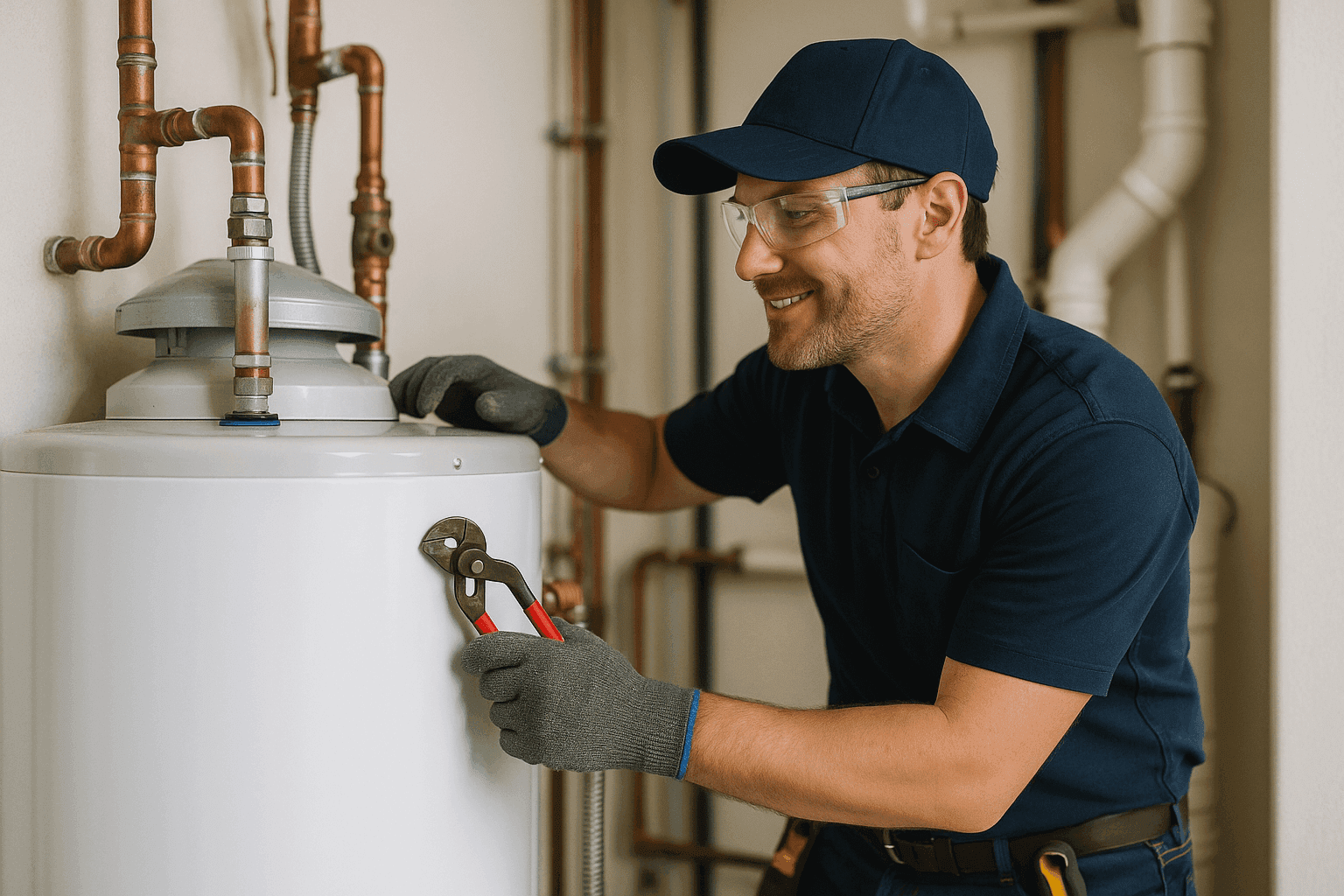
Plumbing problems have a way of showing up when you least expect them. One day, everything’s fine. The next, you’re ankle-deep in water, wishing you’d caught that drip sooner.
At Spicewood Plumbing, we see it all—from tiny leaks hiding under sinks to full-blown emergency plumbing calls in the middle of the night. The good news? A little regular maintenance can keep your pipes, fixtures, and peace of mind intact.
Why Plumbing Maintenance Matters
Think of your plumbing like the veins of your home or business. They quietly do their job, carrying water in and waste out. But just like any system, they need attention to keep running smoothly.
Neglect can lead to:
- Burst pipes and water damage
- Sky-high water bills from hidden leaks
- Clogged drains and sewer backups
- Sudden loss of hot water
- Emergency plumbing visits at the worst possible times
A bit of routine care now helps prevent headaches—and big repair bills—later.
Quick Safety Checklist 🛠️
Before you roll up your sleeves, keep these safety basics in mind:
- Know your main shut-off valve. Make sure everyone in the building knows where it is.
- Turn off power near water. If working near outlets or the water heater, shut off the power first.
- Wear gloves and eye protection. Even a small splash can sting.
- Never mix drain cleaners. Chemical reactions can be dangerous.
- Be cautious with gas lines. If you smell gas, leave immediately and call a professional.
Following these steps can help you avoid accidents and keep your home or business safe. For more details, the International Association of Plumbing and Mechanical Officials (IAPMO) offers up-to-date safety guidelines.
Year-Round Plumbing Maintenance: Season by Season
Every season brings its own plumbing challenges. Here’s how to stay ahead, one quarter at a time.
Winter: Protect Pipes from Freezing
Cold snaps can turn water lines into ice blocks. When water freezes, it expands—sometimes enough to burst pipes.
Winter plumbing checklist:
- Insulate exposed pipes in basements, crawl spaces, and attics.
- Disconnect hoses and drain outdoor faucets.
- Let faucets drip during extreme cold to keep water moving.
- Check your water heater. Sediment buildup can reduce efficiency.
- Know warning signs: Low water pressure, frost on pipes, or odd noises.
If you’re unsure how to winterize, a licensed plumber can help protect vulnerable areas.
Spring: Check for Leaks and Drainage Issues
Spring thaw means more water moving through your system. It’s a good time to check for leaks or blockages left by winter’s chill.
Spring plumbing checklist:
- Inspect under sinks and around appliances for damp spots.
- Test sump pumps by pouring water into the pit—make sure it kicks on.
- Look for slow drains or gurgling toilets.
- Check outdoor spigots for leaks or cracks.
- Review water bills for unexplained spikes.
Addressing small issues now can prevent bigger headaches when summer storms roll in.
Summer: Plumbing Inspections and Preventative Care
Warmer months bring heavy water use—think watering gardens, filling pools, or more frequent laundry.
Summer plumbing checklist:
- Clear debris from gutters and downspouts.
- Inspect washing machine hoses for bulges or leaks.
- Check water pressure. Too high can stress pipes; too low may signal a problem.
- Schedule a backflow prevention test if you have an irrigation system.
- Listen for strange sounds in pipes or fixtures.
Routine checks keep your system ready for the demands of summer.
Fall: Prepare for Colder Weather
As temperatures drop, it’s time to prep your plumbing for winter’s chill.
Fall plumbing checklist:
- Drain and store garden hoses.
- Insulate pipes in unheated spaces.
- Test your water heater for consistent temperature and performance.
- Schedule a gas safety check if you have gas appliances.
- Check sump pump operation before rainy season hits.
A little prep now means fewer surprises when the first frost arrives.
DIY vs. Calling a Professional
Some plumbing tasks are like changing a lightbulb—simple, safe, and satisfying to do yourself. Others are more like rewiring your house: best left to someone with the right tools and training.
DIY-Friendly Tasks
- Tightening loose faucet handles
- Cleaning sink traps
- Replacing worn toilet flappers
- Unclogging minor drains with a plunger
When to Call a Licensed Plumber
- Persistent leaks that keep coming back
- Water heater issues: no hot water, strange noises, or leaks
- Gas line work: always requires a pro for safety
- Sewer line backups or foul odors
- Low water pressure throughout the building
Plumbers are trained to spot hidden problems, follow safety codes, and use specialized equipment for tasks like leak detection, pipe repair, and water heater servicing.
What Pros Do On Arrival
When you call Spicewood Plumbing, you get more than a wrench and a smile.
Step-by-Step Approach
- Assessment: We listen to your concerns and inspect the affected area.
- Diagnosis: Using tools like leak detectors, cameras, and pressure gauges, we pinpoint the problem.
- Code-compliant repairs: All work follows current plumbing codes and safety standards.
- Testing: We check for leaks, verify water pressure, and ensure everything works as it should.
- Prevention tips: Before we leave, we’ll share advice to help you avoid future issues.
Our technicians are licensed, insured, and up-to-date on industry standards from organizations like the American Society of Plumbing Engineers (ASPE).
Prevention & Maintenance Tips
Staying ahead of plumbing issues is a bit like brushing your teeth: small, regular efforts make a big difference over time.
Simple Habits for Healthy Pipes
- Don’t pour grease down drains. Use a can or jar instead.
- Use drain strainers to catch hair and debris.
- Flush only toilet paper. Wipes, even “flushable” ones, can clog pipes.
- Run cold water when using the garbage disposal.
- Schedule annual plumbing inspections to catch hidden leaks or corrosion.
Early Warning Signs to Watch For
- Unexplained puddles or damp spots
- Musty odors near drains or walls
- Slow drains or frequent clogs
- Gurgling sounds from pipes
- Sudden drops in water pressure
If you notice any of these, don’t wait—addressing them early can prevent emergency plumbing calls later.
Costs & Time Factors
Plumbing maintenance doesn’t have to break the bank or eat up your weekend.
- DIY tasks like checking for leaks or cleaning traps can take 10–30 minutes.
- Professional inspections usually last 1–2 hours, depending on the size of your home or business.
- Repairs can vary: a simple leak fix may take under an hour, while sewer line work could require several days.
Keep in mind, regular maintenance is almost always less expensive than emergency repairs. According to the Plumbing-Heating-Cooling Contractors Association, preventive care can reduce the risk of major breakdowns and water damage.
When It’s an Emergency
Sometimes, you can’t wait. Burst pipes, sewage backups, or gas leaks require immediate attention.
Signs of a plumbing emergency:
- Water spraying or flooding
- Sewage smells or visible backup
- No water at all
- Gas odors near appliances or lines
If you face any of these, shut off your main water or gas supply (if safe), and call for emergency plumbing help right away. Quick action can minimize damage and protect your property.
Frequently Asked Questions
How often should I have my plumbing inspected?
Annual inspections are recommended for most homes and businesses. If you’ve had issues in the past, consider more frequent checks.
What’s the best way to prevent frozen pipes?
Insulate exposed pipes, keep your thermostat steady, and let faucets drip during extreme cold. If you’re unsure, a plumber can show you the best techniques for your setup.
Is it safe to use chemical drain cleaners?
Use caution. Chemical cleaners can damage pipes and harm the environment. Mechanical methods (like plungers or drain snakes) are safer. If a clog persists, call a professional.
How do I know if my water pressure is too high or low?
You can buy a simple gauge at most hardware stores. Ideal pressure is usually between 40–60 psi. Consistently high or low readings may signal a problem needing professional attention.
Special Considerations for Home and Small Business Plumbing
Every building is unique. Older homes may have aging pipes or outdated fixtures. Businesses might have higher water demand or specialized equipment.
Key considerations:
- Backflow prevention: Required in many commercial settings to keep water safe.
- Fixture upgrades: Modern, water-saving fixtures can reduce utility bills.
- Gas safety checks: Essential for properties with gas appliances.
- Preventative maintenance: Schedule routine checks for peace of mind and to meet insurance requirements.
If you’re unsure what your property needs, a licensed plumber can help you set up a maintenance plan tailored to your space and usage.
Ready to keep your plumbing running smoothly all year? Download our practical plumbing maintenance checklist and take charge of your home or business’s health.
Call Spicewood Plumbing now — or reach us anytime at 877-834-5933 .