Preventative Plumbing Maintenance: Annual Checklist for Homeowners
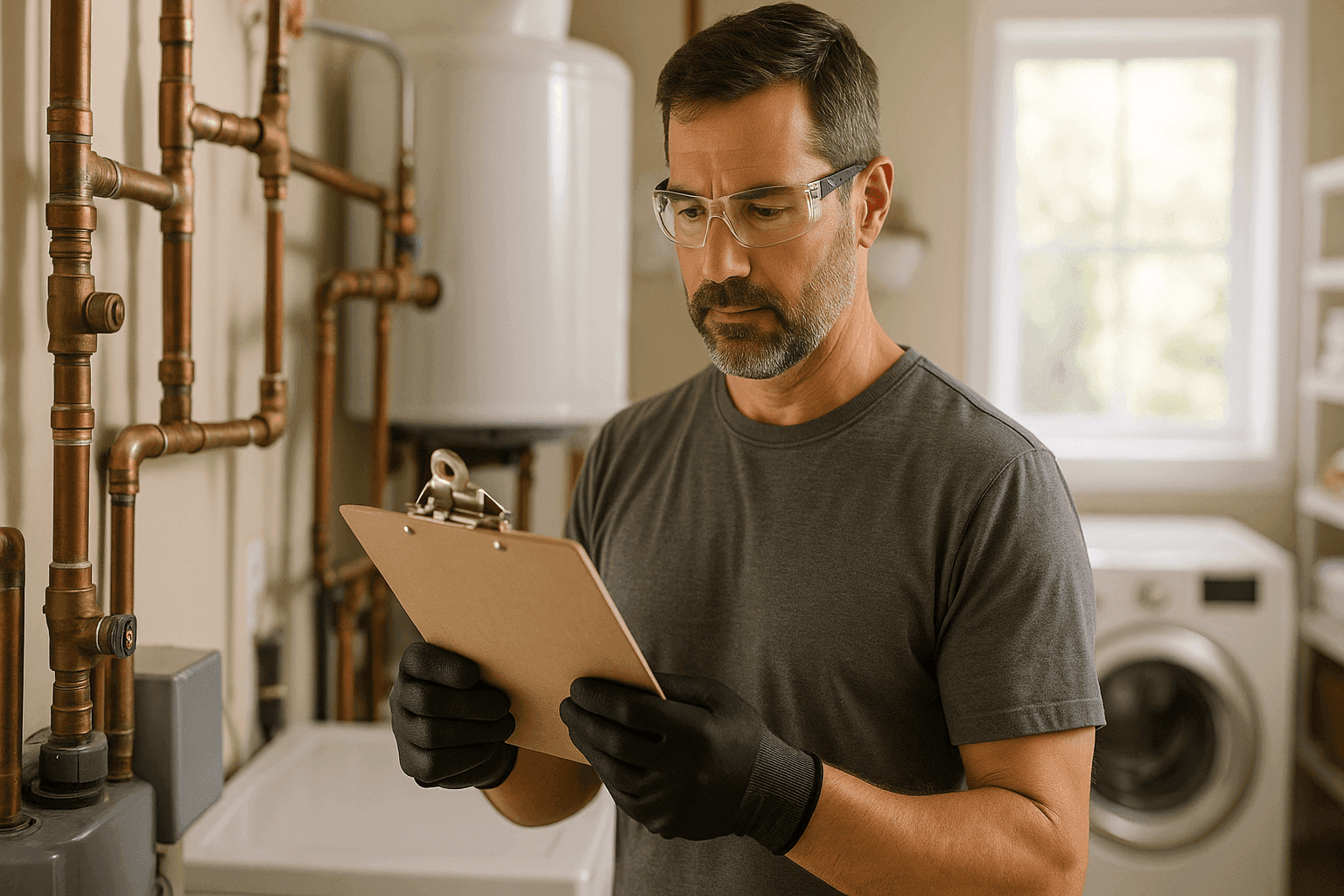
Every home tells a story. But when a pipe bursts or a drain clogs, that story can take a stressful twist. You work hard to keep your home safe and comfortable—so when something goes wrong with your plumbing, you feel it everywhere.
At Spicewood Plumbing, we’ve seen how a small drip can turn into a disaster, and how a little prevention can save you hours of worry (not to mention a soaked ceiling). Here’s your practical, seasonal plumbing checklist. It’s easy to use, built for busy homeowners, and follows safety codes set by the International Association of Plumbing and Mechanical Officials.
Why Preventative Plumbing Matters
Imagine your plumbing as the arteries of your home. If something blocks the flow, everything downstream suffers. Routine care helps you avoid expensive chaos—like surprise leaks or a toilet that overflows at midnight.
One overlooked valve or a slow-growing clog is all it takes. With a little attention each season, you’ll dodge the big problems and keep your water bill in check.
Quick Safety Checklist 🛠️
Before you start any plumbing check:
- Turn off power at the breaker if you’re checking your water heater or working near outlets.
- Know where your main water shut-off valve is. (It’s your home’s panic button.)
- Wear gloves and sturdy shoes. (Water and tile don’t mix.)
- Open windows or use fans when working with cleaning products.
- Keep a flashlight and towels handy—just in case.
If you smell gas or see water near electrical outlets, step outside and call for emergency plumbing immediately.
The Annual Plumbing Maintenance Checklist
Let’s break it down by season—because your pipes face different challenges in the heat and cold.
Spring
- Check for Leaks: Inspect under sinks, around toilets, and behind appliances. Look for water stains or puddles.
- Test Water Pressure: Turn on faucets. Weak flow may signal a hidden leak or buildup.
- Clean Drains: Pour a kettle of hot water (never boiling) down each drain. Avoid harsh chemicals—they can harm your pipes.
- Inspect Sump Pump: Pour a bucket of water into the pit. The pump should turn on quickly and drain the water.
- Check Outdoor Hose Bibs: Attach a hose, turn on the water, and watch for leaks or drips. Frozen pipes from winter can split even sturdy metal.
Summer
- Inspect Exposed Pipes: Look for condensation or corrosion, especially in basements or crawl spaces.
- Flush Water Heater: Sediment buildup can make your heater work overtime. Attach a hose to the drain valve, direct it outside or to a floor drain, and let out a few gallons.
- Test All Fixtures: Run showers, tubs, and sinks. Listen for gurgling or slow drains—signs you may need drain cleaning near you.
- Garbage Disposal Check: Run cold water and dispose of a few ice cubes to clean the blades.
Fall
- Check for Leaks Again: Pipes can shift or crack as temperatures drop.
- Insulate Exposed Pipes: Use foam sleeves or wrap for pipes in unheated areas.
- Clean Gutters and Downspouts: Blockages can lead to roof and foundation leaks.
- Backflow Prevention: Test or inspect backflow devices if you have irrigation.
Winter
- Leave Faucets Dripping (When Freezing): A trickle keeps water moving and prevents frozen pipes.
- Check Boiler or Water Heater: Listen for banging or whistling. Odd noises mean a checkup is due.
- Examine Toilet Tanks and Bowls: Look for cracks or sweating. Cold snaps can stress old porcelain.
- Seal Basement Windows & Vents: Drafts can freeze pipes along exterior walls.
DIY vs. When to Call a Pro
Some jobs are safe for a confident homeowner. Others need a licensed technician.
DIY Safe Tasks:
- Checking for visible leaks
- Tightening faucet handles
- Flushing the water heater (if you can access the drain valve)
- Cleaning aerators and showerheads
- Pouring safe, non-corrosive drain cleaner (like baking soda and vinegar)
Call Spicewood Plumbing if:
- You find a leak you can’t reach or stop
- Water won’t drain, even after cleaning
- You notice water stains on ceilings or walls
- Gas or rotten egg smell is present (gas line issues)
- Water pressure drops suddenly throughout the house
- The sump pump won’t turn on or runs constantly
Remember: It’s not weakness to call for backup. Our licensed pros follow all state and city codes, so what gets fixed, stays fixed.
What Pros Do On Arrival
When you call an emergency plumbing service, here’s what usually happens:
- Assessment: We check the immediate issue, then trace it to the source.
- Testing: Water pressure, leak detection (using sensors), and drain cameras if needed.
- Repair: We use industry-standard parts and methods, so repairs meet local code.
- Safety Review: Gas lines, backflow devices, and water shut-off valves get a once-over.
- Cleanup: No mess left behind. We respect your home.
This methodical approach helps catch problems others might miss.
Prevention & Maintenance Tips
Like brushing your teeth or changing your oil, a little routine goes a long way.
- Check water pressure every season: High pressure wears out washers and valves.
- Test shut-off valves: Turn them off and on, so they don’t seize when you need them.
- Clean faucet aerators: Mineral buildup can choke flow.
- Flush seldom-used drains: Pour water in guest bathroom sinks or basement floor drains.
- Inspect caulking and grout: Water sneaks behind walls through tiny cracks.
Refer to your local building code or the Uniform Plumbing Code (UPC) for safety guidelines.
Costs & Time Factors
Most DIY checks take less than an hour per month. Some—like draining a water heater—take a Saturday morning.
- Professional inspections: Usually a few hours, especially if you want a full home checkup.
- Repairs: Simple fixes (like replacing a faucet washer) might take 15 minutes. Bigger jobs (repiping, water heater swaps) can span several hours or a day.
- Cost varies: Routine checks are low cost. Emergency plumbing repairs are more expensive due to urgency and after-hours work.
Investing a little time each season usually means fewer surprise expenses down the road.
When It’s an Emergency
Certain situations can’t wait:
- An unstoppable leak or burst pipe
- Sewage backing up into your home
- Gas leaks or the smell of gas near appliances
- No water at all in the house
- Water heater leaking or making loud noises
In these cases, turn off the main water (or gas) supply and call Spicewood Plumbing right away. Fast response protects your home—and your peace of mind.
FAQ
How often should I check for leaks?
Quick checks each season are best. At minimum, inspect all visible pipes and fixtures twice a year.
Can I use chemical drain cleaners?
We recommend against harsh chemicals. They can eat away at pipes and harm the environment. Use a plunger, a drain snake, or safe alternatives like baking soda and vinegar.
What’s the right water pressure for my home?
Most homes run best at 40–60 psi. Higher pressure can damage pipes and fixtures. If you notice surges or drops, it’s time for a professional check.
Is preventative maintenance worth it?
Absolutely. Routine checks help you spot small issues before they become emergencies. That means lower bills, less stress, and a longer life for your home’s plumbing.
Local & Seasonal Considerations 🌦️
Where you live shapes your plumbing routine.
- Cold climates: Insulate pipes before winter. Keep garage doors closed to protect pipes in adjacent walls.
- Hot climates: Check for sun damage on outdoor pipes and irrigation. Evaporation can dry out drain traps—pour water down unused drains.
- Humid regions: Watch for mold around fixtures and in basements. Use a dehumidifier if needed.
No matter your region, know your home’s plumbing quirks. If you’re unsure, a seasonal inspection from a licensed plumber can give you peace of mind.
Routine maintenance is the unsung hero of a happy home. It keeps water running where it should, catches trouble before it spreads, and saves you from frantic midnight searches for “emergency plumbing” or “drain cleaning near you.”
Your home is worth the effort. And when you need a hand, Spicewood Plumbing is ready—day or night.
Call Spicewood Plumbing now — or reach us anytime at 877-834-5933 .