How to Safely Install and Maintain Gas Lines in Your Home or Business
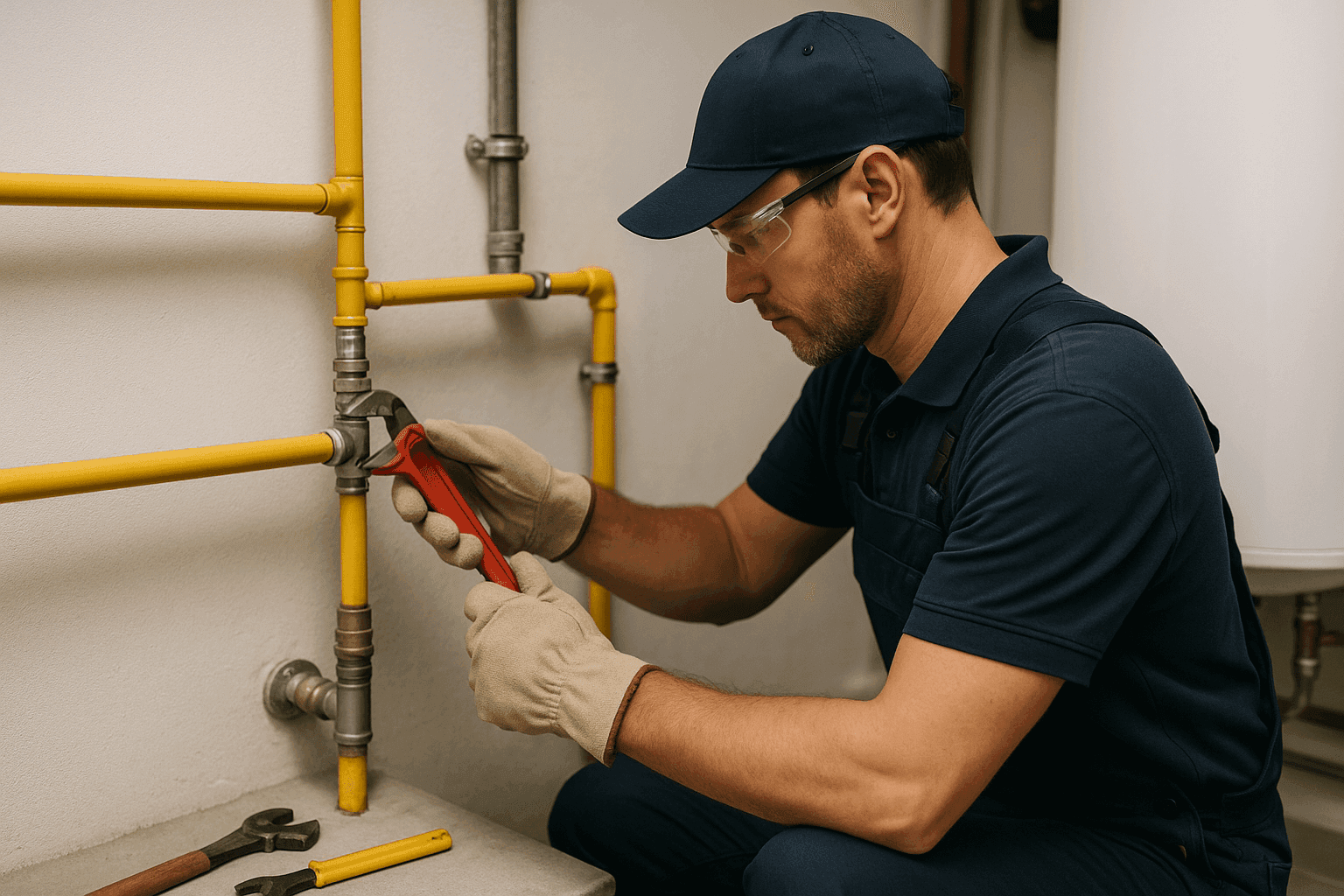
Gas lines are the silent lifelines behind so many comforts in your home or business—warm showers, hot meals, cozy heat on a cold morning. But when something goes wrong, it can feel like a ticking clock. Gas leaks and faulty lines don’t just disrupt your day—they threaten your safety.
At Spicewood Plumbing, we know the risks. We’ve seen what happens when shortcuts are taken or warning signs are missed. Here’s what every homeowner and small business owner needs to know to keep gas lines safe, reliable, and problem-free.
Understanding Gas Line Basics 🛠️
Gas lines are the hidden highways that deliver fuel to your appliances—think water heaters, stoves, boilers, and sometimes even outdoor grills. They’re usually made of steel, copper, or flexible corrugated stainless steel tubing (CSST). Each material has its own strengths and weaknesses, but all require careful handling.
Why is gas line safety so important?
- Gas is highly flammable. Even a tiny leak can lead to fire or explosion.
- Natural gas and propane are colorless and, in their pure form, odorless. Utility companies add a rotten egg smell (mercaptan) to help you detect leaks, but it’s not foolproof.
- Incorrect installation or aging pipes can cause leaks, carbon monoxide buildup, or pressure loss.
Risks of neglect:
- Health hazards (nausea, headaches, dizziness)
- Property damage from fire or explosion
- Legal and insurance consequences
Key takeaway: Gas lines are not a place for guesswork or shortcuts. National Fire Protection Association (NFPA) codes and local building regulations exist for a reason—your safety.
Step-by-Step Guide to Safe Gas Line Installation
Installing a gas line isn’t like assembling a bookshelf. It’s more like defusing a bomb—precision matters, and the stakes are high.
1. Planning and Permits
- Start with a plan. Map out where the gas line needs to go and which appliances it will serve.
- Permits are a must. Most areas require permits for gas work. Skipping this step could void insurance or lead to fines.
- Know your codes. The International Fuel Gas Code (IFGC) and NFPA 54 set the standards for safe installation.
2. Materials and Sizing
- Choose the right pipe. Black steel is common for natural gas; copper or CSST may be used for specific applications.
- Size matters. Undersized pipes can starve appliances of fuel; oversized pipes waste money and may cause pressure problems.
- Use approved fittings. Never mix and match with hardware store odds and ends.
3. Safe Installation Steps
- Shut off the gas supply. Always. No exceptions.
- Cut and fit the pipe. Measure twice, cut once. Use a pipe threader for steel lines.
- Seal connections. Use pipe joint compound or Teflon tape rated for gas.
- Secure lines. Pipes should be supported and protected from physical damage.
- Pressure test. Before turning the gas back on, test the line with air (never with gas) to check for leaks.
4. Inspection
- Call for inspection. A licensed inspector ensures everything meets safety standards.
- Don’t skip this step. It’s the final safety net.
Common mistakes to avoid:
- Using the wrong pipe or fittings
- Forgetting to test for leaks
- Ignoring building codes or permit requirements
Routine Maintenance and Safety Checks
Gas lines aren’t “set it and forget it.” Like the brakes on your car, they need regular checks.
What to Inspect
- Connections and joints: Look for corrosion, rust, or loose fittings.
- Flexible connectors: Check for cracks, kinks, or wear.
- Appliance hookups: Ensure hoses and valves are in good condition.
- Shut-off valves: Make sure they’re accessible and operational.
How Often?
- Annually: Schedule a professional inspection at least once a year.
- After renovations: Always check gas lines after construction or remodeling work.
DIY Maintenance Tips
- Keep the area around gas lines clean and free of clutter.
- Never hang items from gas pipes.
- Know where your main shut-off valve is—and how to use it.
Reference: The U.S. Consumer Product Safety Commission recommends annual professional inspections for all gas appliances and lines.
Recognizing and Responding to Gas Leaks
Gas leaks don’t announce themselves with flashing lights. They’re sneaky—sometimes subtle, sometimes sudden.
Warning Signs
- Rotten egg smell: That sulfur odor is a big red flag.
- Hissing or whistling sounds: Especially near appliances or pipes.
- Dead vegetation: Plants dying above buried gas lines.
- Bubbles in standing water: Gas escaping underground.
- Unusual symptoms: Dizziness, headaches, nausea, or fatigue.
What to Do If You Suspect a Leak
- Evacuate immediately. Don’t use lights, phones, or anything that could spark.
- Shut off the gas at the main valve—if it’s safe to do so.
- Call emergency plumbing services from a safe location.
- Don’t re-enter until a licensed pro gives the all-clear.
Never try to locate or fix a gas leak yourself. It’s not worth the risk.
Quick Gas Safety Checklist
- [ ] Know where your gas shut-off valve is located.
- [ ] Schedule annual inspections by a licensed technician.
- [ ] Keep gas appliances and lines clear of storage and debris.
- [ ] Never ignore a gas smell—act fast.
- [ ] Only use approved gas appliances and connectors.
- [ ] After severe weather, check for signs of damage.
DIY vs. Call a Pro
There’s a difference between tightening a faucet and working with gas lines. One is a Sunday afternoon project; the other is a matter of life and death.
DIY is okay for:
- Checking shut-off valves
- Keeping lines clear and visible
- Monitoring for obvious signs of wear
Call a pro for:
- New installations or rerouting
- Repairs or leak detection
- Upgrades for new appliances
- Any work involving buried or hard-to-reach lines
Why? Licensed plumbers have specialized training, tools, and insurance. They follow national and local safety codes that protect you, your property, and anyone who enters your building.
What Pros Do On Arrival
When you call Spicewood Plumbing for gas line work, here’s what you can expect:
- Assessment: We listen to your concerns and inspect the area.
- Leak detection: Using advanced equipment, we check for leaks—sometimes even tiny ones you can’t smell.
- Pressure testing: We test the system to ensure it holds pressure safely.
- Repairs or installation: All work is done to code, with approved materials.
- Final inspection: We double-check everything before restoring service.
- Safety briefing: We show you how to use shut-off valves and what to watch for.
Prevention & Maintenance Tips
Staying ahead of problems is the best way to avoid emergencies.
Seasonal Tips
- Winter: Insulate exposed pipes to prevent freezing and cracking.
- After storms: Inspect for debris, shifting soil, or damage to outdoor lines.
- During renovations: Always have gas lines checked before and after work.
Everyday Habits
- Don’t store flammable materials near gas appliances.
- Teach everyone in your household or staff how to recognize gas leak signs.
- Replace old appliances with newer, safer models when possible.
Industry Reference: The National Fuel Gas Code (NFPA 54) provides detailed guidelines for safe installation, inspection, and maintenance.
Costs & Time Factors
Gas line work isn’t one-size-fits-all. The cost and time depend on:
- Length and location of the line: Shorter runs or easy-to-access areas take less time.
- Material used: Steel, copper, and CSST have different price points.
- Complexity: Adding new appliances or rerouting lines requires more work.
- Permits and inspections: These add time but are essential for safety.
Typical time: A simple repair may take a few hours. New installations or major repairs might need a full day or more.
Tip: Always factor in the cost of permits and inspections—they’re there to protect you.
When It’s an Emergency
Some gas line issues can’t wait. Here’s when to call for emergency plumbing help:
- You smell gas inside or outside your property.
- You hear hissing or whistling near a gas line.
- You notice unexplained physical symptoms (headache, dizziness, nausea).
- A gas appliance won’t shut off, or the shut-off valve won’t work.
- After a natural disaster (earthquake, flood, major storm), especially if lines may have shifted or broken.
In these cases, don’t try to fix the problem yourself. Leave the building immediately and call for help.
FAQ
Can I install or repair a gas line myself?
No. Gas line work should always be done by licensed professionals. Improper installation or repair can lead to leaks, fire, or explosion.
How often should my gas lines be inspected?
At least once a year, or after any major renovation or natural disaster. Regular inspections catch small problems before they become big ones.
What if I smell gas but don’t see a leak?
Trust your nose. Evacuate, shut off the gas if possible, and call for emergency plumbing services. Never assume it’s a false alarm.
Are flexible gas connectors safe?
Yes—when installed correctly and inspected regularly. They should never be kinked, bent sharply, or used as a substitute for permanent piping.
Special Considerations for This Service
- Older properties: May have outdated or corroded pipes that need replacing.
- Commercial kitchens: Higher gas demand means more complex routing and safety checks.
- Outdoor installations: Lines exposed to weather need extra protection.
- Seasonal use: Vacation homes or seasonal businesses should have lines checked before each use.
Remember: Safety standards exist to protect you, your family, and your business. Following them isn’t just good practice—it’s the law.
Call Spicewood Plumbing now — or reach us anytime at 877-834-5933 .