Sewer Line Problems: Warning Signs and What to Do
Is something not quite right with your drains? Maybe your toilet gurgles at night, or a strange smell lingers in your bathroom. If you’ve noticed these issues, you’re not alone—and they could point to a sewer line problem that demands attention.
Sewer line troubles can sneak up on any homeowner. They don’t just create messes—they can lead to costly repairs, health hazards, and serious disruptions. At Spicewood Plumbing, we understand the stress that comes with emergency plumbing needs. Let’s walk through what to watch for, what to do, and how to keep your home safe.
Common Sewer Line Problem Signs 🚩
Sewer lines are the hidden highways under your home, carrying waste away so you never have to think about it. Until something goes wrong. Here’s what to look for:
- Slow Drains: Water pooling in your tub or sink isn’t just annoying—it’s like a traffic jam hidden underground.
- Gurgling Sounds: Hear bubbles or odd noises after flushing? That’s air trapped by blockage, trying to escape.
- Sewage Smells: A rotten odor in your bathroom or yard is more than unpleasant. It’s a red flag your sewer line isn’t sealed tight.
- Lawn Wet Spots: Lush, soggy patches in your grass can mean a leak below. Think of it as a soggy footprint left by a hidden problem.
- Frequent Clogs: If you’re reaching for the plunger more often, the issue could be deeper than a surface clog.
Ignoring these signs can turn a minor nuisance into a full-blown emergency.
Quick Safety Checklist
Before you take action, keep safety front and center. Here’s a checklist to protect your home and family:
- Avoid using plumbing if you suspect a backup or leak.
- Keep children and pets away from wet or sunken spots in the yard.
- If you smell gas along with sewer odors, leave your home and call emergency services right away—gas leaks are serious.
- Wear gloves if you must handle wastewater.
- Don’t try to access sewer cleanouts without proper tools or training.
For more on home safety, check with the National Association of Home Builders and your local building codes.
DIY Checks vs. When to Call a Pro
Some sewer line symptoms are easy to spot, but most repairs aren’t DIY-friendly. Here’s what you can do:
What You Can Check
- Multiple Drains Slow at Once: If every drain is sluggish, the blockage is likely in your main sewer line.
- Listen for Noises: Gurgling sounds from toilets or tubs can help you pinpoint trouble.
- Look for Wet Spots: Inspect your yard for unexpected sogginess or patches of greener grass.
But if you find standing sewage, repeated clogs, or odors that make your eyes water, it’s time to call in emergency plumbing help.
When to Call Spicewood Plumbing
- Sewage is backing up into your home.
- You notice persistent bad smells you can’t trace.
- There are visible leaks or standing water outside.
- Drain cleaning near you hasn’t solved the problem.
Sewer line repairs require specialized equipment and professional know-how.
What Pros Do On Arrival
You call. We show up fast—day or night. Here’s what Spicewood Plumbing will do:
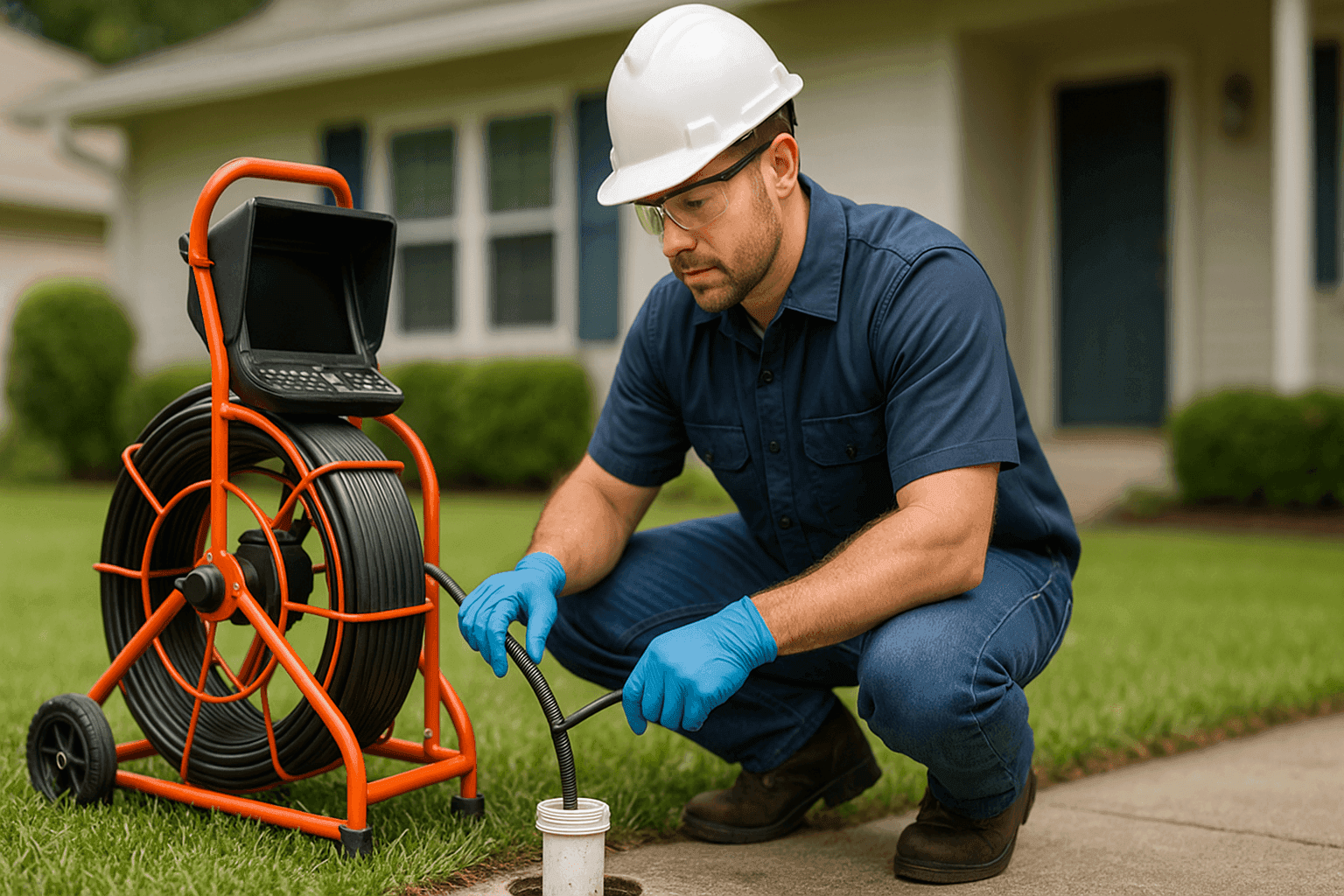
- Camera Inspections: We use advanced sewer cameras to find the blockage without digging up your yard. It’s like having X-ray vision for your pipes.
- Thorough Diagnosis: We check every connection, using leak detection tools to identify hidden trouble.
- Clear Explanations: We’ll show you the video and explain what’s wrong, in plain language.
- Safe Repairs: Our plumbers follow local code and safety guidelines, whether it’s a quick fix or a full sewer line replacement.
- Fair Pricing: You get upfront pricing before any work begins.
Our goal: fix the problem quickly, with as little disruption as possible.
Prevention & Maintenance
A little care goes a long way. Here’s how to keep your sewer line flowing:
- Don’t flush wipes, grease, or hygiene products. Even “flushable” wipes can clog pipes.
- Schedule drain cleaning near you every 1–2 years. Routine cleaning clears out roots, buildup, and debris.
- Install hair and food catchers. Stop clogs where they start.
- Watch for shifting soil. After heavy rain or construction, check your yard for new low spots.
- Arrange for regular camera inspections. Especially if your home is over 30 years old.
Check with the International Plumbing Code for more on what not to flush and how to keep your pipes safe.
Costs & Time Factors
Sewer line problems range from quick fixes to major projects. Here’s what can affect timing and cost:
- Type of Damage: Clearing a minor clog takes less time than repairing a collapsed pipe.
- Location: Pipes under driveways or large trees may take more labor to reach.
- Extent: A small leak is faster (and cheaper) to fix than a full line replacement.
- After-hours emergencies: Emergency plumbing calls may have higher costs, but fast response can save you from major damage.
Most camera inspections and basic drain cleaning can be done in a few hours. Bigger repairs may take a day or two.
When It’s an Emergency
Some sewer problems can’t wait. Call for emergency plumbing if you notice:
- Sewage backing up inside your home
- Strong sewage or gas odors
- Flooding in your yard or basement
- Toilets or sinks that won’t drain at all
Waiting can mean water damage, mold, and health risks from bacteria or sewer gas.
FAQ
What causes sewer line blockages?
Tree roots, grease buildup, foreign objects, and pipe collapse are common culprits. Older pipes are especially at risk.
How often should I have my sewer line inspected?
Most homes benefit from a professional camera inspection every 1–2 years, especially if you’ve had problems before.
Are sewer line repairs covered by homeowners insurance?
Sometimes. Coverage depends on your policy and the cause of the damage. Check with your insurance provider for details.
How can I prevent sewer line issues?
Don’t flush anything besides toilet paper. Schedule regular drain cleaning near you, and consider a yearly camera inspection.
Local & Seasonal Considerations 🌧️
In our region, heavy rains and shifting soil can stress sewer lines. After storms, watch for new wet spots or slow drains—these can be early warning signs. If you’re planning landscaping or adding trees, keep roots away from your sewer line’s path.
Cold snaps can also cause older pipes to crack. Insulate pipes before winter, and call for leak detection if you see unexplained puddles after a freeze.
Sewer line problems can’t wait. If you spot the warning signs, act fast. The sooner you call, the less risk to your home, health, and wallet.
Call Spicewood Plumbing now — or reach us anytime at 877-834-5933 .