The Ultimate Guide to Preventing Plumbing Emergencies Year-Round
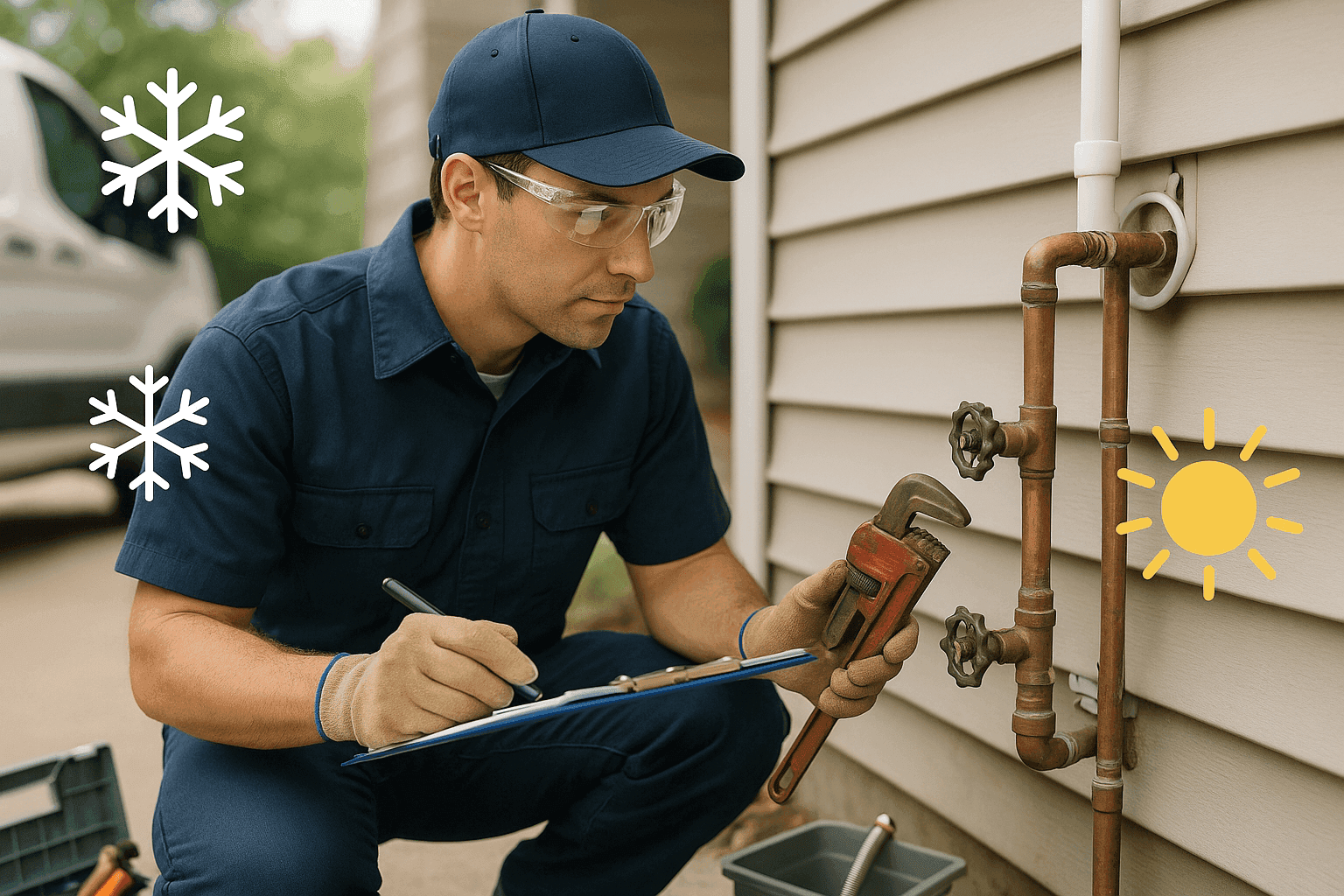
Plumbing emergencies don’t wait for a convenient time. A burst pipe, an overflowing toilet, or a backed-up drain can turn a normal day upside down. For homeowners and small business owners, the stress is real—and the costs can add up fast.
At Spicewood Plumbing, we know how overwhelming plumbing disasters can feel. But with a few smart habits and some seasonal know-how, you can keep most emergencies at bay and protect your property all year long.
Understanding Common Plumbing Emergencies 🚨
Plumbing emergencies are like surprise storms—they hit fast and can cause a flood of trouble. Here are the most common culprits:
- Burst pipes: Often caused by freezing temperatures or high water pressure.
- Clogged drains and toilets: Grease, hair, and foreign objects are usual suspects.
- Leaking water heaters: These can quickly escalate from a drip to a flood.
- Sewer backups: Caused by blockages or tree roots invading pipes.
- Gas leaks: A hidden danger that demands immediate attention.
Each of these can lead to water damage, mold, or even health hazards. Quick action and prevention are crucial.
Seasonal Plumbing Risks and How to Mitigate Them
Every season brings its own plumbing curveballs. Just like you swap out your wardrobe, your plumbing system needs different care as the weather changes.
Winter: Freeze and Thaw
- Frozen pipes: Water expands as it freezes, putting pressure on pipes. Insulate exposed pipes, especially in attics, basements, and crawl spaces.
- Dripping faucets: Letting a trickle of water flow overnight can prevent freezing.
- Shut off outdoor spigots: Disconnect hoses and drain outdoor faucets.
Spring: Heavy Rains and Thaw
- Sump pump checks: Test your sump pump before the rainy season. Pour water into the pit to make sure it runs and drains properly.
- Inspect for leaks: Melting snow and rain can reveal cracks or leaks in pipes and foundations.
Summer: Storms and High Usage
- Backflow prevention: Heavy storms can cause sewage to flow backward into homes. Install backflow valves and schedule annual testing.
- Water heater strain: Vacations and guests mean more laundry, showers, and dishes. Schedule a quick inspection.
Fall: Prepping for Cold
- Gutter and drain cleaning: Leaves can clog gutters and outdoor drains, leading to water pooling near your foundation.
- Check for drafts: Seal up cracks around pipes to keep cold air out and warm air in.
Essential Preventative Maintenance Tasks
Think of plumbing maintenance like brushing your teeth—small daily habits prevent big problems down the road.
- Regular leak checks: Look under sinks, behind toilets, and around appliances for moisture or mildew.
- Drain cleaning: Use strainers in sinks and showers to catch hair and debris. Avoid pouring grease down the drain.
- Water heater maintenance: Flush your water heater yearly to remove sediment and extend its life.
- Backflow testing: Schedule annual backflow prevention device tests, as recommended by the Uniform Plumbing Code.
- Sump pump care: Clean the pit and test the pump regularly, especially before rainy seasons.
- Water pressure monitoring: High pressure strains pipes. Install a pressure regulator if needed.
When to Call a Professional vs. DIY Tips
Some fixes are as simple as tightening a loose faucet. Others need a licensed pro with the right tools and training.
DIY-Friendly Tasks
- Plunging a slow drain or toilet
- Replacing washers in leaky faucets
- Cleaning aerators on faucets
- Insulating exposed pipes
Call a Professional For
- Persistent leaks: Hidden leaks can cause mold and structural damage.
- Gas line issues: Gas leaks are serious—leave these to certified technicians.
- Major blockages: If plungers and drain cleaners don’t work, it’s time for professional equipment.
- Backflow prevention: Installation and annual testing should always be handled by licensed plumbers, following local codes.
Preparing Your Property for Emergency Situations 🛠️
Being prepared can turn a plumbing emergency into a manageable hiccup instead of a disaster.
- Know your main shut-off valve: Find it, label it, and make sure everyone in your household or business knows where it is.
- Keep emergency numbers handy: Save your plumber’s contact info in your phone.
- Stock up on essentials: Have towels, buckets, and a plunger ready for quick responses.
- Create an emergency plan: Especially important for businesses—designate who will call the plumber and manage water shut-off.
Expert Tips: Leak Detection, Sump Pump Care, and Backflow Prevention
Leak Detection
- Monitor your water bill: Unexpected spikes can signal hidden leaks.
- Check meter readings: Turn off all water and see if the meter still moves.
- Listen for drips: Sometimes your ears catch what your eyes miss.
Sump Pump Care
- Test monthly: Pour water into the pit and watch the pump activate.
- Clean debris: Dirt and gravel can clog the pump and cause failure.
- Battery backup: Consider a backup system for power outages.
Backflow Prevention
- Annual testing: Many codes require yearly tests for backflow devices.
- Install check valves: These prevent contaminated water from re-entering your system.
When to Call a Professional vs. DIY Tips
Some plumbing tasks are simple enough for a confident DIYer. Others require a licensed, experienced plumber for safety and compliance.
- DIY: Unclogging minor drains, replacing faucet washers, insulating pipes.
- Call a Pro: Gas line work, major leaks, sewer line repairs, backflow device installation and testing.
Remember, safety comes first. If you’re ever unsure, it’s best to call a professional who follows industry standards and code requirements.
Preparing Your Property for Emergency Situations
Preparation is your best defense against plumbing surprises.
- Locate your main water shut-off: Know how to turn it off quickly.
- Educate family or staff: Make sure everyone knows what to do in an emergency.
- Keep essential tools on hand: Plunger, bucket, towels, and flashlight.
A little preparation goes a long way in minimizing damage and stress.
Frequently Asked Questions
How often should I schedule plumbing maintenance?
Most experts recommend a yearly inspection. This includes checking for leaks, testing sump pumps, inspecting water heaters, and backflow testing. Regular maintenance helps catch small issues before they become emergencies.
What should I do if I suspect a gas leak?
Leave the area immediately and call emergency services. Do not use electrical switches or phones near the suspected leak. Only licensed professionals should handle gas line repairs.
Is it safe to use chemical drain cleaners?
Chemical drain cleaners can damage pipes and harm the environment. For minor clogs, try a plunger or a drain snake. For persistent blockages, call a professional.
What is backflow, and why is prevention important?
Backflow is when contaminated water flows backward into clean water lines, usually due to a pressure change. Backflow prevention devices keep your water supply safe and are required by many plumbing codes.
Special Considerations for Homeowners and Small Business Owners 🏠
- Insurance: Check your policy for plumbing coverage and know what’s included.
- Code compliance: Plumbing work should meet local and national codes (refer to the Uniform Plumbing Code and International Plumbing Code for standards).
- Business downtime: For small businesses, plumbing emergencies can mean lost revenue. Preventative maintenance helps avoid unexpected closures.
Final Thoughts
A little prevention goes a long way. Regular checks, seasonal prep, and knowing when to call a pro can save you thousands in repairs and give you peace of mind.
Call Spicewood Plumbing now — or reach us anytime at 877-834-5933 .