How to Unclog a Toilet: DIY Steps & When to Call a Pro
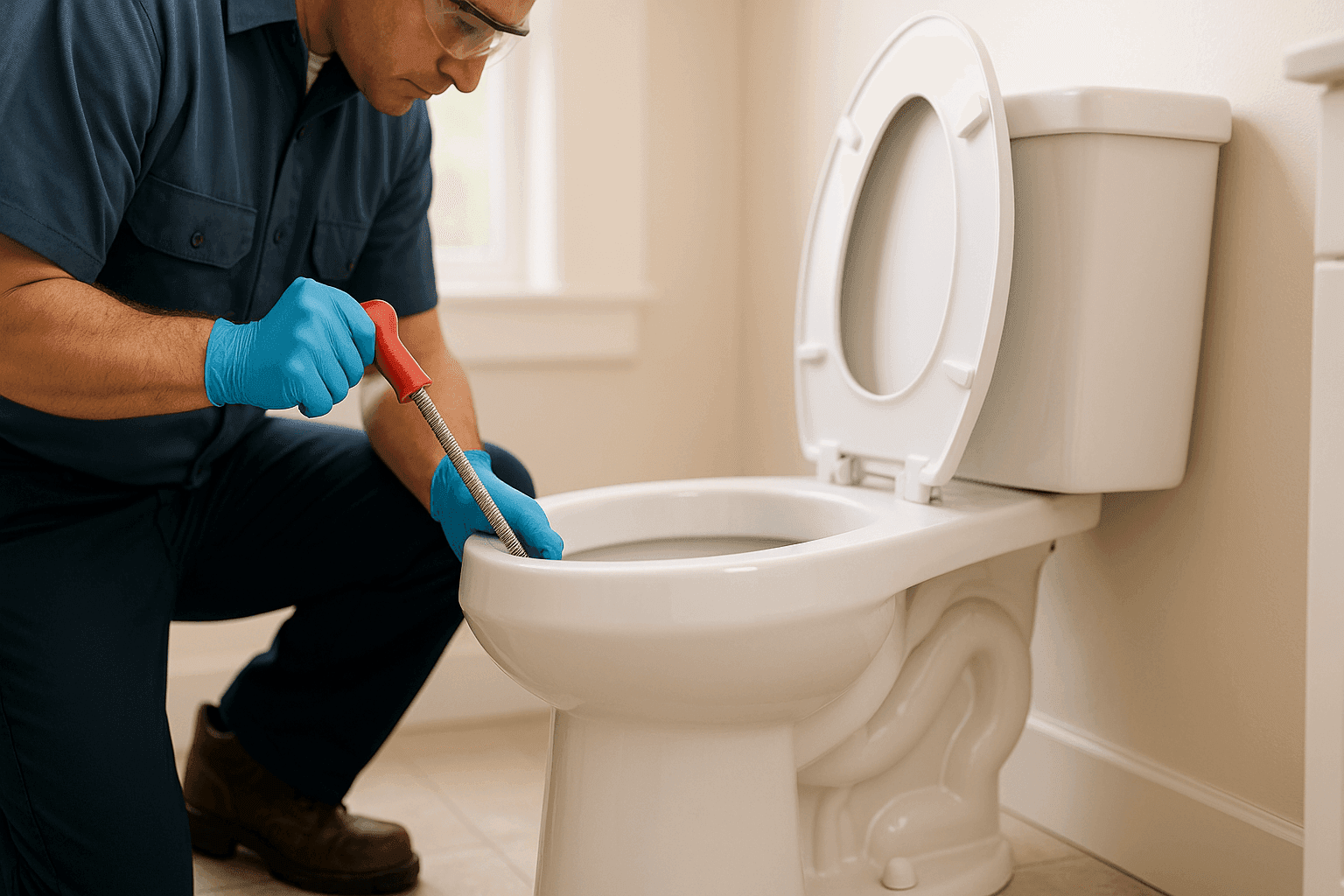
Having a clogged toilet can turn a calm evening into a panicked scramble. Water rising. Heart racing. You’re not alone—every homeowner faces this stressful moment sooner or later.
At Spicewood Plumbing, we know the feeling. We’ve walked into overflowing bathrooms, midnight emergencies, and everything in between. Our certified team is here 24/7 for those moments when a plunger just isn’t enough.
What Causes a Toilet to Clog? 🚽
Toilets are sturdy, but even they have limits. Understanding what triggers a clog helps you prevent the next one.
Common culprits:
- Too much toilet paper at once
- Non-flushable wipes, paper towels, or feminine products
- Kids’ toys (yep, we’ve seen it!)
- Hard water buildup narrowing drain pipes
- Older, low-flow toilets lacking flush power
- Blocked vent stacks or sewer lines
- Tree roots intruding underground pipes
Most blockages are simple. Some are warning signs of deeper plumbing issues.
Quick Safety Checklist
Before you reach for tools, take a breath and check these safety basics:
- Turn off the water: Find the shutoff valve behind your toilet and twist it clockwise.
- Protect your space: Lay old towels around the toilet base. Keep cleaning supplies handy for splashes.
- Wear gloves: Even a simple clog can get messy.
- Ventilate: Open a window or turn on a fan to avoid lingering odors.
- Don’t use harsh chemicals: Products like drain openers can damage pipes and pose health risks. The Environmental Protection Agency (EPA) recommends mechanical methods first.
Step-by-Step: DIY Ways to Unclog a Toilet
When the water won’t go down, you want solutions—fast. Here’s what to try, in order of simplicity:
1. The Plunger Method
A plunger is your best friend. Here’s how to use it effectively:
- Make sure you have a flange plunger (the kind with a rubber extension at the bottom).
- Place the plunger in the toilet, ensuring a tight seal over the opening.
- Push down gently, then pull up forcefully. Repeat for 15–20 seconds.
- If you see water draining, you’re winning. Give it another flush.
2. The Auger (Plumbing Snake) Method
Still stuck? A toilet auger can reach deeper:
- Insert the auger’s tip into the toilet bowl.
- Crank the handle to extend the coil down the drain.
- When you feel resistance, rotate gently—don’t force it.
- Retract the auger, cleaning off debris as you go.
3. Safe Home Remedies
If you don’t have tools handy:
- Pour one cup of baking soda into the toilet bowl, followed by two cups of hot (not boiling) water.
- Add two cups of white vinegar. Let the fizzy mix sit for 20–30 minutes.
- Try flushing once more.
Avoid: Mixing chemicals or using boiling water—either can crack porcelain or damage pipes.
When to Try DIY—And When to Call a Pro
You’ve tried the basics. Water is still rising. Now what?
DIY is usually safe if:
- The clog is recent and localized (just one toilet affected)
- No water is leaking onto floors or walls
- You haven’t used harsh chemicals
It’s time to call in emergency plumbing help if:
- The toilet overflows repeatedly, risking water damage
- Multiple fixtures (toilets, sinks, tubs) are backing up—this hints at a main line problem
- You notice raw sewage, foul odors, or gurgling sounds
- DIY tools haven’t worked after 30 minutes of effort
- You suspect a toy or solid item is lodged
- You feel unsafe or unsure
At Spicewood Plumbing, our certified technicians respond any time—day or night. We carry the right gear to fix things without harming your pipes or your home.
What Pros Do On Arrival
Calling in for emergency plumbing isn’t waving the white flag—it’s choosing peace of mind.
Here’s what happens next:
- A certified plumber inspects your toilet and nearby drains for signs of bigger issues
- We use specialized equipment (like high-torque augers or video cameras) to pinpoint the clog
- If needed, we’ll clear deeper blockages in your main drain or sewer line
- We check for leaks or damage to pipes, floors, and subfloors
- Before we leave, we’ll test all fixtures to make sure the problem’s truly solved
We treat your home with care. No gouges in porcelain. No mess left behind.
Preventing Future Toilet Blockages
No one wants to repeat this experience. Here’s how to keep your pipes flowing freely:
- Flush only toilet paper—even “flushable” wipes can block pipes, according to the National Association of Clean Water Agencies.
- Use less paper per flush, especially with older toilets.
- Teach children what not to flush.
- Schedule regular drain cleaning near you—routine maintenance can catch buildup before it becomes a clog.
- Consider upgrading old toilets to modern, high-efficiency models that flush better.
- Watch for slow drains or gurgling sounds—these are early warning signs.
- Install a water softener if you have hard water deposits.
Costs & Time Factors
Unclogging a toilet yourself? It might cost you nothing but time and elbow grease—usually 10 to 30 minutes for basic methods.
If you call for emergency plumbing:
- Expect time on-site to range from 30 minutes (simple clogs) to several hours (deep blockages or repairs)
- Most service visits include diagnostics, clearing the clog, and a safety check
- Costs vary depending on severity, time of day, and if main lines are involved
Remember: Delaying professional help can lead to water damage, which is far costlier than a fast fix.
When It’s Truly an Emergency
Not every clog is an all-hands-on-deck situation. But some need urgent attention.
Call immediately if:
- Water is overflowing uncontrollably
- You spot raw sewage or notice a strong sewage smell
- Multiple drains in your home are backing up at once
- You hear gurgling from other fixtures (sinks, tubs) when you flush
- There are electrical outlets or wiring near water pooling
Our emergency plumbing team is ready 24/7. Fast response can prevent health hazards and costly repairs.
FAQ: Common Questions About Toilet Clogs
What if I’ve already used chemicals?
Wait at least 24 hours before trying mechanical tools. Chemical drain openers can cause burns and release fumes. If you’re unsure, let a professional handle it safely.
Can I flush flushable wipes?
Despite their name, most wipes don’t break down in water and can cause stubborn clogs. Throw them in the trash instead.
Why does my toilet clog so often?
Frequent clogs could mean a hidden problem: low water pressure, hard water deposits, or aging pipes. A professional inspection can detect the root cause.
Is it safe to use a coat hanger?
Avoid makeshift tools—they can scratch porcelain or get stuck. Use a toilet auger or call for professional help.
Local & Seasonal Considerations
In some areas, winter brings frozen pipes. In others, tree roots invade sewer lines during rainy months. If you notice problems after big weather swings, mention this when you call. Preventative maintenance can help avoid seasonal surprises.
If you’re searching for reliable drain cleaning near you, remember: fast action keeps plumbing disasters small.
Call Spicewood Plumbing now — or reach us anytime at 877-834-5933 .