Water Heater Repair or Replace? How to Decide
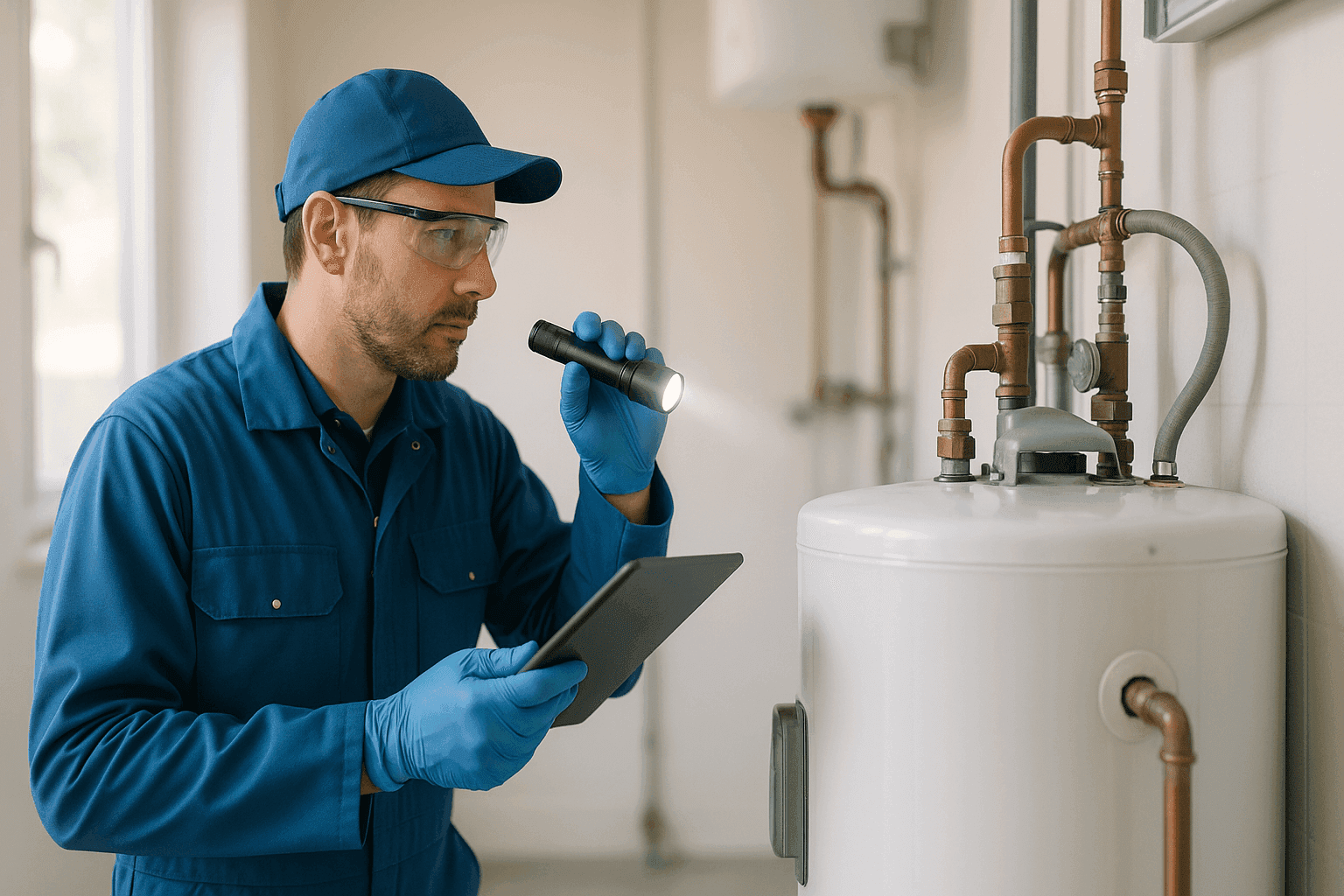
Imagine this: You’re stepping into a hot shower on a chilly morning. Suddenly, the water turns ice cold. Or maybe you spot a puddle growing at the base of your water heater, and panic sets in. These moments never wait for a convenient time.
At Spicewood Plumbing, we know the stress of a water heater acting up. Our certified team handles emergencies daily—from quick leak repairs to total water heater replacements. Let’s walk you through how to decide what’s best for your situation.
Signs Your Water Heater Needs Attention
Hot water is one of those things you don’t think about—until it’s gone. But how do you know if your water heater needs a simple repair or if it’s time to say goodbye?
Signs Pointing to Repair
Some problems are like a pebble in your shoe—annoying, but not disastrous. You might just need a repair if you notice:
- Minor leaks from fittings or valves (not from the tank itself)
- Water taking longer to heat up
- Pilot light won’t stay lit
- Strange noises (popping, rumbling)
- Inconsistent water temperature
- Thermostat problems
These are often fixable. Quick fixes—like replacing a faulty valve or cleaning sediment—can bring back your hot water.
Signs Pointing to Replacement
Other times, the writing’s on the wall. Replacement is usually smarter when you see:
- Rusty water, especially from hot taps
- Tank is over 10–12 years old
- Major leaks from the tank body
- Visible corrosion
- Frequent breakdowns
- Significant drop in energy efficiency or rising utility bills
A water heater isn’t meant to last forever. Pushing past its prime can soak your floors and burn through your wallet.
Water Heater Repair or Replace: Quick Decision Flowchart 🛠️
Ask yourself these questions:
-
How old is your water heater?
- Under 8 years: Consider repair.
- Over 10 years: Replacement is often best.
-
How often have you had issues in the last year?
- One time: Repair is likely.
- More than twice: Lean toward replacement.
-
Is the leak from a pipe/valve or the tank itself?
- Pipe/valve: Repairable.
- Tank: Replacement needed.
-
What’s the estimated cost of repair?
- Less than half the cost of a new unit: Repair.
- More than half: Consider replacement.
Still unsure? A certified plumber can help you weigh your options with a clear head.
Quick Water Heater Safety Checklist
Before you do anything, safety first. Water heaters can be as unpredictable as a Texas thunderstorm.
- Turn off the power: Electric? Flip the breaker. Gas? Turn the dial to “Off.”
- Shut off the water: Find the cold water valve above the heater and close it.
- Check for leaks: If you see water pooling, mop up what you can and keep the area dry.
- Smell gas? Leave immediately and call your gas company.
- Don’t touch wiring or open up the unit if you’re unsure.
When in doubt, step back and call a professional. Your safety matters most.
DIY vs. Call a Pro
Some water heater fixes sound simple—until you’re ankle-deep in water with tools you’ve never used. Here’s where the line gets drawn.
DIY Tasks (if you’re comfortable)
- Relighting a pilot light (follow manufacturer’s instructions)
- Resetting the thermostat
- Flushing sediment from the tank (if you have instructions)
- Tightening loose fittings
Leave It to a Pro
- Gas line or electrical work
- Tank leaks or rust
- Replacing heating elements or thermostats
- Diagnosing strange noises
- Installing a new water heater
Water heaters are complex. Emergency plumbing means getting things fixed—safely and up to code.
What Pros Do On Arrival
When Spicewood Plumbing rolls up, we go through a tried-and-true set of checks:
- Inspect for leaks, corrosion, and faulty parts
- Test water temperature and pressure
- Check gas or electrical connections—always to code (per NFPA and local standards)
- Evaluate the overall condition of the tank, pipes, and valves
- Review your system for efficiency and safety
If repair is possible, we’ll explain your options in plain language. If replacement is smarter, we’ll discuss types, energy savings, and rebate opportunities.
Water Heater Types: Tank vs. Tankless
Like choosing between a pickup and a sedan, water heaters come in two main styles.
Tank Water Heaters
- Store and heat 30–80 gallons of water
- Lower up-front cost
- Average lifespan: 8–12 years
- Can run out of hot water during long showers or heavy use
Tankless Water Heaters
- Heat water on demand (no big tank)
- Higher initial cost, but lower energy bills
- Average lifespan: 15–20 years
- Endless hot water—perfect for large families
If energy savings are a priority, tankless units can cut your costs by up to 34% (U.S. Department of Energy). Many local utilities offer rebates for high-efficiency models, so ask your installer.
Before & After: Real-World Results
One family called us for what they thought was a quick leak fix. Their 14-year-old tank had rusted through—replacement was the smart move. We installed a tankless system. Their utility bills dropped, and they haven’t run out of hot water once.
Another client had a stubborn pilot light problem. A simple part swap and cleaning put them back in business. No need for a new unit.
Every case is different. That’s why certified installers matter—they know when to repair and when to replace.
Costs & Time Factors
Money matters. So does time.
- Repair: Quick fixes (like a new thermostat or valve) can take 1–2 hours. Costs vary depending on the part, but are usually less than half the price of a new heater.
- Replacement: Removing the old unit and installing a new one can take 3–6 hours. Costs depend on the type, size, and installation needs.
Factor in downtime. If your heater is leaking badly, waiting for a replacement could mean no hot water for a day.
When It’s an Emergency 🚨
Some water heater problems can’t wait:
- Major leaks flooding your floor
- No hot water in freezing temperatures
- Smell of gas or burning near your unit
- Water pressure dropping suddenly
These call for emergency plumbing—fast. If you’re searching for “Drain Cleaning near you” at midnight, you know the feeling. Don’t wait. A quick call can prevent thousands in damage.
Prevention & Maintenance
A well-maintained water heater is like a well-oiled bike—smooth and reliable.
- Flush the tank once a year to remove sediment (see manufacturer’s guide)
- Check the anode rod every 2–3 years (this helps prevent rust)
- Test the pressure relief valve annually
- Schedule regular inspections
Following these steps (and local plumbing codes) extends your heater’s life and keeps your home safe.
Water Heater FAQ
Q: How long should a water heater last?
A: Most tank heaters last 8–12 years. Tankless units can go 15–20 years with care.
Q: Is it safe to repair a water heater myself?
A: Small fixes are okay for handy homeowners, but anything involving gas, electricity, or the tank itself—call a professional.
Q: Why is my water heater making banging noises?
A: Usually, it’s sediment buildup at the bottom of the tank. Flushing may solve it, but if the noise persists, get it checked.
Q: Are there rebates for energy-efficient water heaters?
A: Yes! Many utility companies and manufacturers offer rebates for ENERGY STAR® models. Ask your installer for details.
Local & Seasonal Considerations
Winter brings more emergency plumbing calls—cold pipes stress your water heater. If you live in a hard water area, mineral buildup is more likely, so flush your tank more often.
After a big storm or power outage, have your system checked for safety before turning it back on.
Water Heater Safety Tips for Emergencies
- Never ignore a rotten egg smell—shut off gas and get out
- Don’t touch electrical parts if the unit is wet
- If you see rust or water pooling, call for help before it spreads
- Keep flammable materials far from the heater
- Post emergency numbers where you can find them fast
Stay safe. Hot water isn’t worth a trip to the ER.
Is your water heater making you nervous? Don’t wait for a small drip to become a big problem. Call Spicewood Plumbing now — or reach us anytime at 877-834-5933 .